Warm Neutrals and Quiet Knits for Late Summer

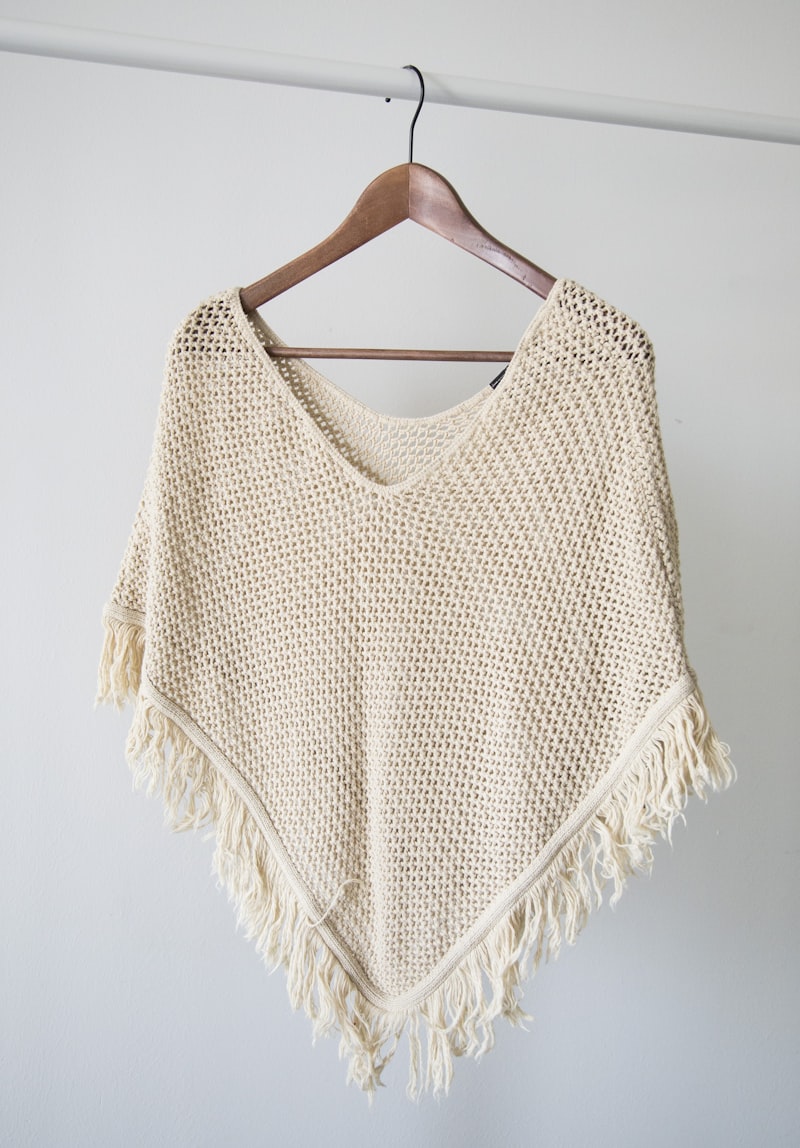
“An aesthetic styling guide to transitional garments, featuring cream cashmere, warm linen trousers, and horn buttons.”
Transitioning between hot days and chilly evenings requires high-quality, lightweight knits. A soft cream palette offsets delicate handcraft textures beautifully.
Our favorite pieces this cycle are mock-neck sweaters, cotton-linen vests, and tailored beige shorts that hang precisely. These styles form the perfect base.
Beyond mere silhouettes, the choice of raw materials governs how transitional garments sit and respond. Undyed alpaca fibers and organic cotton weaves offer superior thermal regulation, breathing with ease as the midday sun peaks and retaining gentle insulation during twilight strolls.
Investing in these quiet knits invites a deeper appreciation for textile production. Every weave tells a story of the spinner’s hand, the climate of the farm, and the integrity of traditional knitting mills that prioritize quality over rapid commercial replication.
The concept of slow fashion extends beyond the garments themselves to the very philosophy of how we live. In a world that demands rapid turnover, choosing to slow down and appreciate the intricate weaving of a cotton fiber or the durable weight of organic flax represents a subtle form of quiet resistance. When we curate our wardrobes with intention, we form a deep partnership with the artisans who dye, cut, and tailor our pieces.
To understand the tactile journey of sustainable textiles, we must look to the ancient traditions of fiber cultivation. Indigo dye, harvested from the leaves of the Indigofera plant, takes weeks of fermentation and oxidation to produce its deep, living blues. Unlike synthetic petrochemical dyes, organic indigo ages in harmony with the cotton, fading in unique highlights that map the wearer’s daily movements and gestures.
Mending is another core pillar of a conscious wardrobe. In historical Japanese culture, ‘sashiko’—the art of functional embroidery—was used to reinforce worn farm clothes, creating beautifully visible, geometric stitch patterns. Today, choosing to stitch a small patch onto a beloved linen shirt or darning a moth-hole in a cashmere sweater transforms a broken object into a story of care, extending its lifecycle indefinitely.
Furthermore, the material composition of our clothing directly shapes our skin’s thermal and tactile comfort. Synthetic polyester and nylon trap perspiration and odor, whereas organic silk, linen, and Merino wool contain natural capillary spaces that breathe effortlessly. By surrounding ourselves with these living plant and animal fibers, we cultivate a soothing sensory envelope that reduces anxiety and elevates our connection to nature.
As we build a collection of authentic, high-quality cornerstones—such as a dense gabardine trench coat, fluid wide-leg linen trousers, and hand-finished leather belts—we discover that styling becomes an effortless, daily pleasure. No longer driven by the frantic pressure of weekly trends, we develop a timeless personal uniform that reflects our commitment to elegance, quality, and environmental mindfulness.
This conscious approach to personal style also invites us to reconsider the human cost of the global garment industry. Every button hand-sewn, every seam aligned represents the labor of a skilled hand. By choosing brands that guarantee fair wages, clean workspaces, and slow production timelines, we cast a vote for a more humane, compassionate world. Our wardrobes become not just collections of cloth, but physical testaments to ethical stewardship.
The concept of slow fashion extends beyond the garments themselves to the very philosophy of how we live. In a world that demands rapid turnover, choosing to slow down and appreciate the intricate weaving of a cotton fiber or the durable weight of organic flax represents a subtle form of quiet resistance. When we curate our wardrobes with intention, we form a deep partnership with the artisans who dye, cut, and tailor our pieces. As we deepen this path of fashion studies, every detail connects back to our inner harmony.
To understand the tactile journey of sustainable textiles, we must look to the ancient traditions of fiber cultivation. Indigo dye, harvested from the leaves of the Indigofera plant, takes weeks of fermentation and oxidation to produce its deep, living blues. Unlike synthetic petrochemical dyes, organic indigo ages in harmony with the cotton, fading in unique highlights that map the wearer’s daily movements and gestures. As we deepen this path of fashion studies, every detail connects back to our inner harmony.
Mending is another core pillar of a conscious wardrobe. In historical Japanese culture, ‘sashiko’—the art of functional embroidery—was used to reinforce worn farm clothes, creating beautifully visible, geometric stitch patterns. Today, choosing to stitch a small patch onto a beloved linen shirt or darning a moth-hole in a cashmere sweater transforms a broken object into a story of care, extending its lifecycle indefinitely. As we deepen this path of fashion studies, every detail connects back to our inner harmony.
Furthermore, the material composition of our clothing directly shapes our skin’s thermal and tactile comfort. Synthetic polyester and nylon trap perspiration and odor, whereas organic silk, linen, and Merino wool contain natural capillary spaces that breathe effortlessly. By surrounding ourselves with these living plant and animal fibers, we cultivate a soothing sensory envelope that reduces anxiety and elevates our connection to nature. As we deepen this path of fashion studies, every detail connects back to our inner harmony.