Understanding Food Delivery Where DoorDash Fits in the On-Demand Market

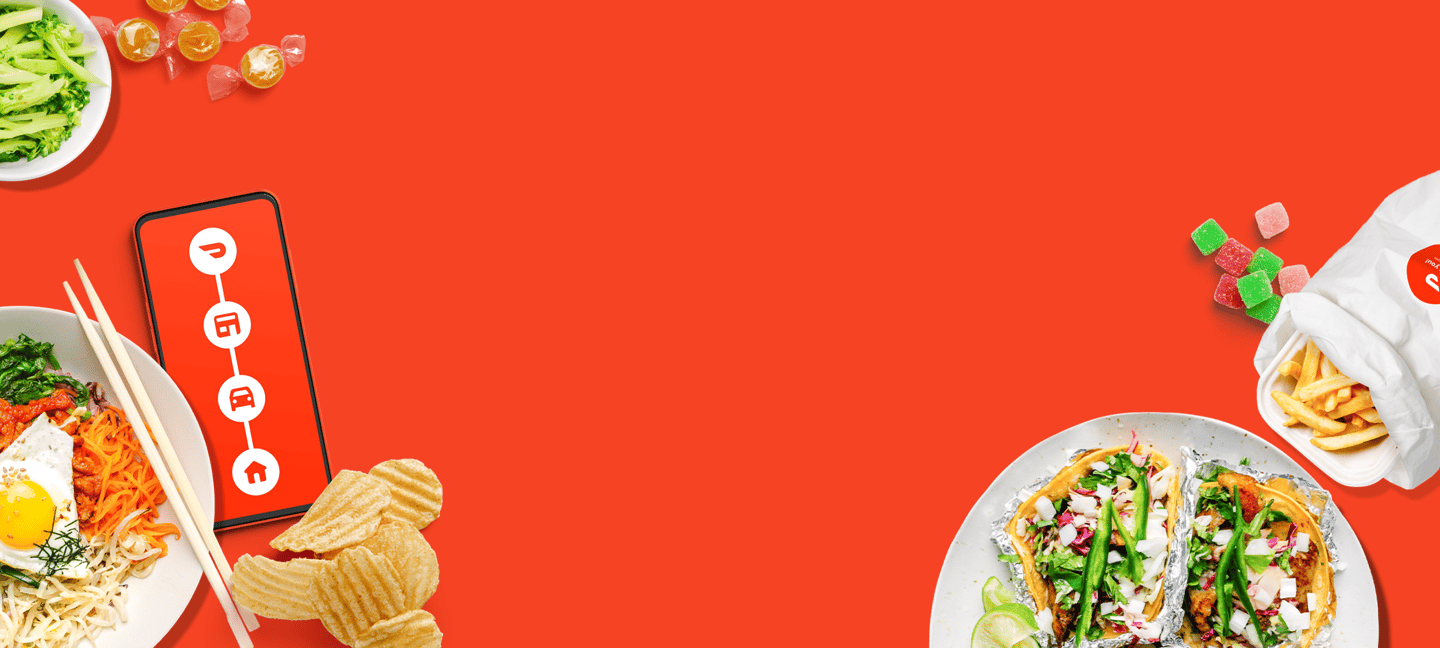
“🍔 From restaurant favorites to groceries, beauty, and pet supplies, DoorDash brings the neighborhood to the front door.”
Food delivery services have grown far beyond simple restaurant takeout, expanding into groceries, convenience items, and even gifting categories. Understanding how these platforms operate helps explain why apps like DoorDash (US) now sit at the center of so many daily errands. This explainer looks at the different pieces of that ecosystem and how they connect.
What Services Do and How They Operate
At the core, food delivery services connect local merchants with customers who want items brought to their door. Instead of visiting a restaurant or store in person, a customer places an order through an app or website. A driver then picks up the order and delivers it, often within a short window. This structure has expanded well past meals, covering groceries, retail goods, and specialty products as well.
The appeal of services lies in convenience and access to a wide range of local businesses in one place. Rather than calling individual restaurants or stores, customers can browse many options through a single platform. That consolidation is part of why on-demand delivery has become such a common part of daily routines.
DoorDash’s Core Restaurant and Dining Delivery
DoorDash (US) began as a way to order from local restaurants, and that remains a central part of the service. Customers can get a slice of pizza or an entire pie delivered, or arrange pickup from a neighborhood Chinese takeout spot. The platform lists favorite local restaurants alongside newer options in the same app.
This restaurant-focused side of the business reflects the broader role food delivery services play in connecting diners with nearby kitchens. Whether the goal is a quick weekday meal or food for a gathering, the restaurant marketplace is built to surface nearby choices quickly.
Grocery and Convenience Store Delivery Through DoorDash
Beyond restaurants, DoorDash offers grocery delivery that lets customers shop from home and fill a cart with fresh produce, frozen entrees, deli items, and more. This turns the app into a tool for routine household shopping, not just occasional meals. The grocery category is built to mirror an in-store shopping trip as closely as possible.
Convenience store delivery adds another layer, covering snacks, household essentials, candy, and vitamins. These orders are positioned to arrive in under an hour, which suits last-minute needs more than planned grocery runs. Together, these two categories show how food delivery services increasingly blend with everyday retail shopping.
DashPass: Understanding Membership and Recurring Benefits
DashPass is a membership option within DoorDash (US) aimed at customers who order frequently. Members get reduced delivery fees on DashPass orders and a percentage back on pickup orders, among other benefits. It is positioned as a way to make regular use of the platform more straightforward for frequent customers.
Because membership applies across restaurant, grocery, and convenience orders alike, DashPass functions as a layer on top of the wider marketplace rather than a separate service. This ties back to the broader pattern seen across services, where recurring membership programs are used to encourage ongoing use of a single app.
Beyond Food: Retail, Beauty, Pet, and Specialty Deliveries on DoorDash
DoorDash (US) has expanded into categories that have little to do with eating at all. Beauty essentials from established brands can be delivered at home or on the go, covering self-care items alongside everyday food orders. Flowers are also available, with hand-picked, thoughtfully arranged blooms sourced from local florists for a range of occasions.
The platform also covers restocking needs for gatherings, including liquor, beer, mixers, champagne, and wine for customers aged 21 and over. Pet supplies round out the specialty offerings, with pet food, chew toys, and even costumes available for delivery. This breadth illustrates how far the on-demand model has moved past its original restaurant focus.
- Restaurants ranging from quick slices to full sit-down style meals delivered or available for pickup.
- Grocery items such as fresh produce, frozen entrees, and deli products for routine household shopping.
- Convenience store goods including snacks, household essentials, candy, and vitamins.
- Beauty essentials from established brands for home or on-the-go self-care needs.
- Flowers arranged by local florists for various occasions and gifting needs.
- Alcohol selections including liquor, beer, mixers, champagne, and wine for customers of legal drinking age.
- Pet supplies covering food, chew toys, and costumes for cats and dogs alike.
How DoorDash Connects Dashers, Merchants, and Customers
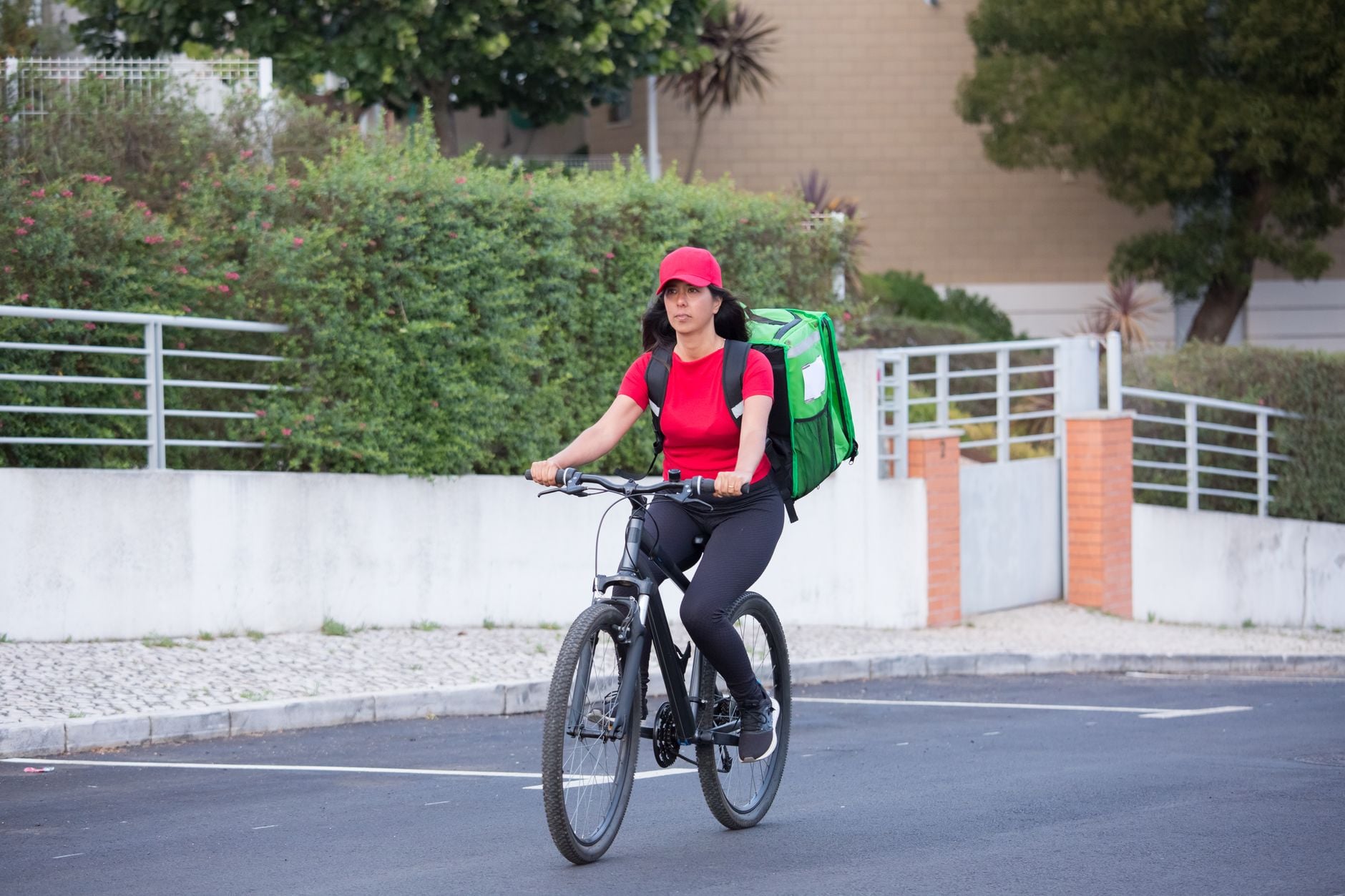
The marketplace depends on three groups working together, delivery drivers known as Dashers, local merchants, and customers placing orders. Dashers sign up to deliver on their own schedule, giving them flexibility in how and when they work. Merchants, meanwhile, partner with the platform to reach new customers and increase order volume.
DoorDash (US) describes itself as offering businesses of various sizes a way to grow sales by joining its merchant network. For customers, this three-sided structure is what makes browsing restaurants, grocery stores, and specialty shops in one app possible. As a result, the experience of using food delivery services depends as much on these underlying partnerships as it does on the app interface itself.
Looking Ahead for On-Demand Delivery

As categories like grocery, beauty, and pet supplies continue sitting alongside restaurant orders, the line between food delivery and general retail delivery keeps blurring. That shift points toward an even broader on-demand marketplace ahead.