The Slow Sourdough: Baking as a Meditative Practice

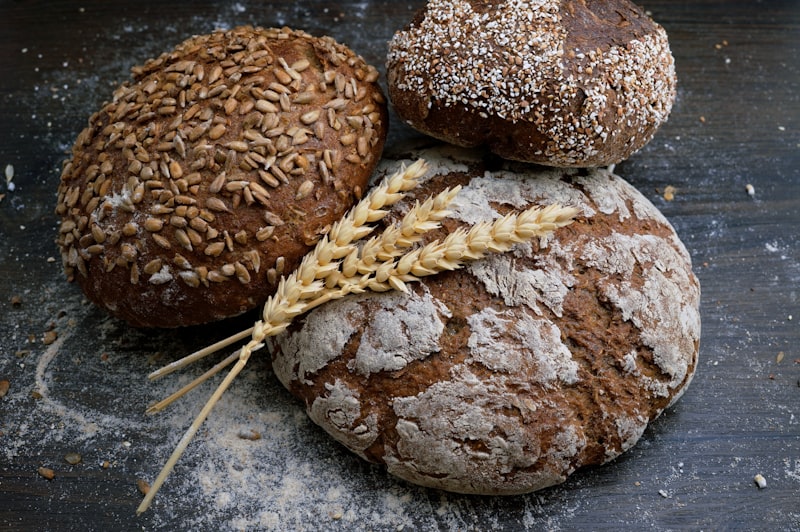
“An unhurried exploration of wild yeasts, water, flour, and the soothing tactile rhythm of hand kneading on maple countertops.”
Baking sourdough is a beautiful study in patience. It cannot be rushed, optimized, or automated. It asks us to cultivate a living starter, to wait hours for simple hydration, and to feel the spring of the dough beneath our hands.
There is a quiet, profound joy in cutting through a freshly baked, dark crusty loaf to reveal the airy crumb inside. It is a slow culinary reward.
This process teaches us to appreciate the micro-forces of nature. Feeding your wild starter with organic stone-ground rye flour and filtered spring water connects you directly to microscopic fungal colonies that have driven human baking since ancient Mesopotamia. You learn to listen to the room temperature and observe the subtle rise and fall of the dough.
The manual act of stretching and folding the gluten network over several hours is a tactile meditation. As you work the dough on a cool maple table, your breathing slows and your attention narrows to the smooth elastic surface, releasing the accumulated stress of the digital week.
When the hot loaf finally emerges from the cast-iron oven, displaying a perfect, blistered amber crust, it represents a deep alignment of fire, water, grain, and slow, deliberate human effort.
Slow living is a deliberate choice to step off the treadmill of constant acceleration. It is the realization that productivity is not a measure of human worth, and that the quietest, most unhurried moments often hold the deepest meaning. By designing a lifestyle centered around unhurried rituals, we open ourselves to the delicate sensory details that modern speed obscures.
Consider the sensory pleasure of hand-kneading sourdough bread on a cool maple counter. As you mix the flour, water, and wild starter, you are engaging with an ancient metabolic process that has sustained human communities for millennia. The slow, rhythmic stretching of the gluten fibers becomes a form of active meditation, calming the nervous system and focusing the mind on the immediate physical present.
In our homes, the design of our environments plays a critical role in our mental clarity. Embracing negative space—leaving walls empty and tables clean—creates essential breathing room for the eyes and the spirit. When we clear away unnecessary visual clutter, we allow natural light and soft evening shadows to play across our rooms, drawing focus to a single beautiful wildflower or a hand-pressed ceramic plate.
The ritual of slow-brewing loose-leaf tea is another wonderful way to cultivate presence. As hot spring water is poured over curled tea leaves in a clay teapot, the leaves slowly unfurl, releasing their essential oils and warm, herbal steam. Holding the warm stoneware cup in both hands creates a brief, protective sanctuary of stillness in the middle of a busy day, reminding us that life is lived in the present.
Unplugging from digital grids for a full day every week allows our brains to recover from the chronic overstimulation of notifications and screens. Without the constant pull of social feeds, we naturally reclaim our tactile hobbies, write letters to old friends with fountain pens, or simply watch clouds move across the sky. These spacious hours are where original thoughts, creative impulses, and deep inner peace are reborn.
Ultimately, slow living is about cultivating a deep, loving relationship with the everyday. It is finding wonder in the morning steam rising from your coffee, the cool texture of linen sheets, and the quiet sound of evening rain. By slowing our internal cadence, we align ourselves with the natural rhythms of the earth, discovering a profound, lasting happiness that cannot be purchased or optimized.
Slow living is a deliberate choice to step off the treadmill of constant acceleration. It is the realization that productivity is not a measure of human worth, and that the quietest, most unhurried moments often hold the deepest meaning. By designing a lifestyle centered around unhurried rituals, we open ourselves to the delicate sensory details that modern speed obscures. As we deepen this path of lifestyle studies, every detail connects back to our inner harmony.
Consider the sensory pleasure of hand-kneading sourdough bread on a cool maple counter. As you mix the flour, water, and wild starter, you are engaging with an ancient metabolic process that has sustained human communities for millennia. The slow, rhythmic stretching of the gluten fibers becomes a form of active meditation, calming the nervous system and focusing the mind on the immediate physical present. As we deepen this path of lifestyle studies, every detail connects back to our inner harmony.
In our homes, the design of our environments plays a critical role in our mental clarity. Embracing negative space—leaving walls empty and tables clean—creates essential breathing room for the eyes and the spirit. When we clear away unnecessary visual clutter, we allow natural light and soft evening shadows to play across our rooms, drawing focus to a single beautiful wildflower or a hand-pressed ceramic plate. As we deepen this path of lifestyle studies, every detail connects back to our inner harmony.