Pleat Styles and Fabric Weights in TWOPAGES Custom Curtains What Experienced Decorators Need to Know

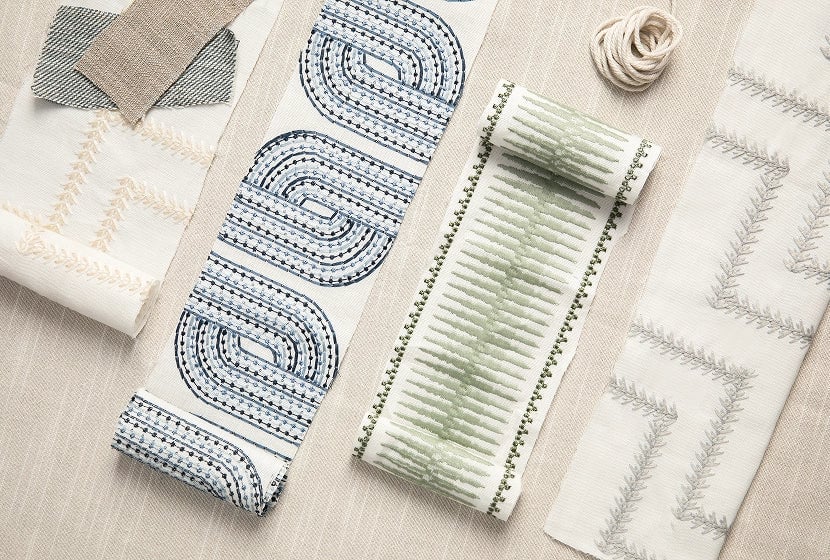
“From triple pleats to Belgian flax linen, a closer look at how pleat styles and fabric weights shape every TWOPAGES window treatment. 🪡”
Decorators who specify custom drapery for a living know that the finish of a pleat and the weight of a fabric decide whether a window treatment looks tailored or sloppy. Pleat styles and fabric weights curtains are chosen together, not separately, because a stiff heading needs a different body fabric than a soft, relaxed one. TWOPAGES (US) organizes its collections around exactly these two variables, giving decorators a working vocabulary of pleat finishes, fiber blends, and construction weights to specify with confidence.
Triple Pleat Versus Pinch Pleat Versus Goblet Pleat in TWOPAGES Drapery
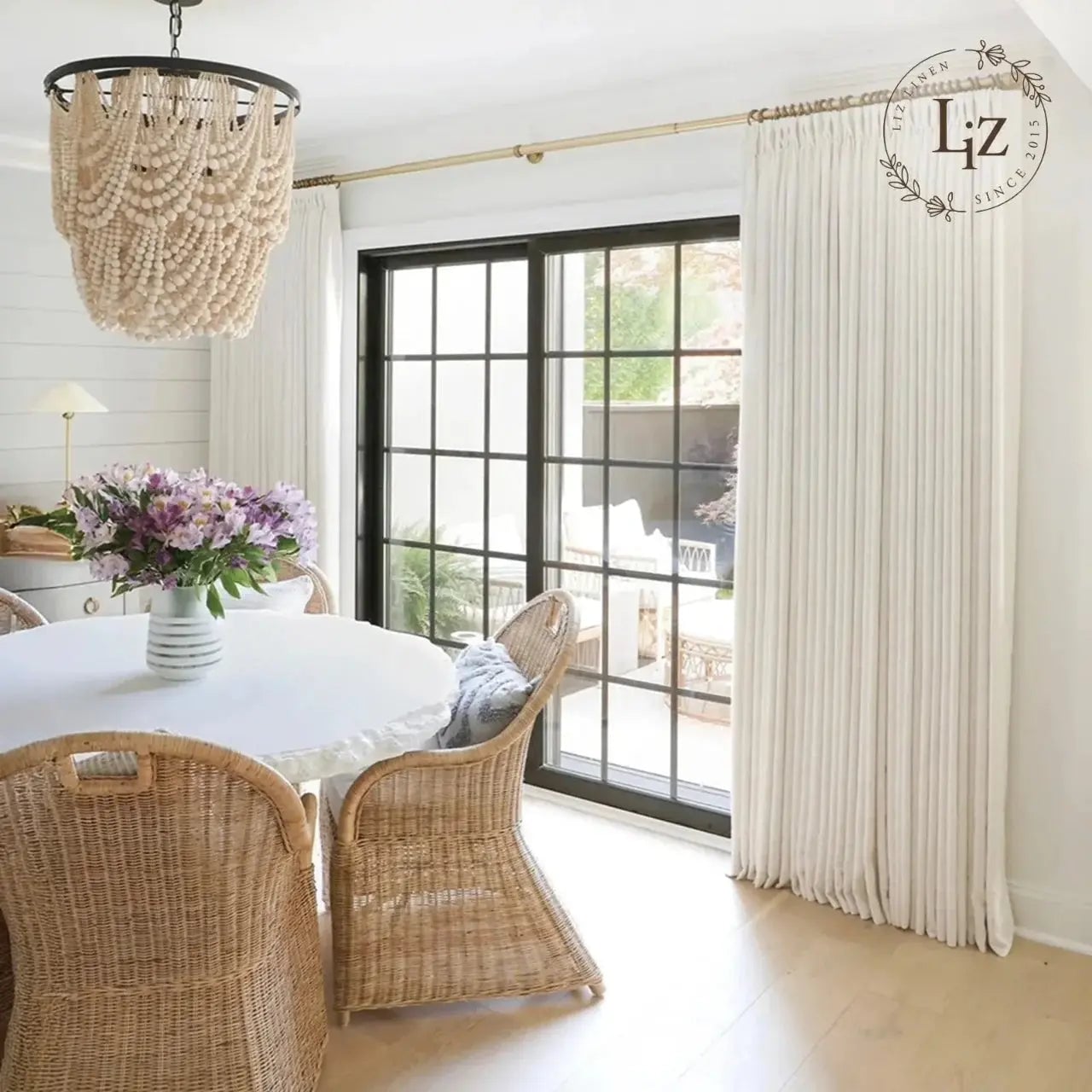
Several best-sellers from TWOPAGES (US), including Liz, Jawara, Isabella, and Sara Le, ship as Triple Pleated panels, a heading style built from three folds stitched into a compact pinch at regular intervals along the top. This produces even, structured columns of fabric that hold their shape over a long drop. A Double Pinch Pleat construction also appears in the brand’s canopy bed curtain set, where a rear panel hangs from one track in that two-fold heading while a coordinating valance mounts separately on a front track.
Goblet pleat, by contrast, is a rounded, cup-shaped heading more associated with formal, floor-length drapery in the wider window treatment category. It tends to need a stiffer interlining to hold its shape, whereas triple and pinch pleats work well with softer interlined or uninterlined fabrics. For a decorator comparing options, the practical distinction is that triple and pinch pleats fall into crisp vertical folds suited to everyday linen and cotton blends, which is where TWOPAGES (US) concentrates its pleated collections.
Linen-Cotton Blends and Pure Belgian Flax: Fabric Composition Matters in the Jawara and Patti Collections
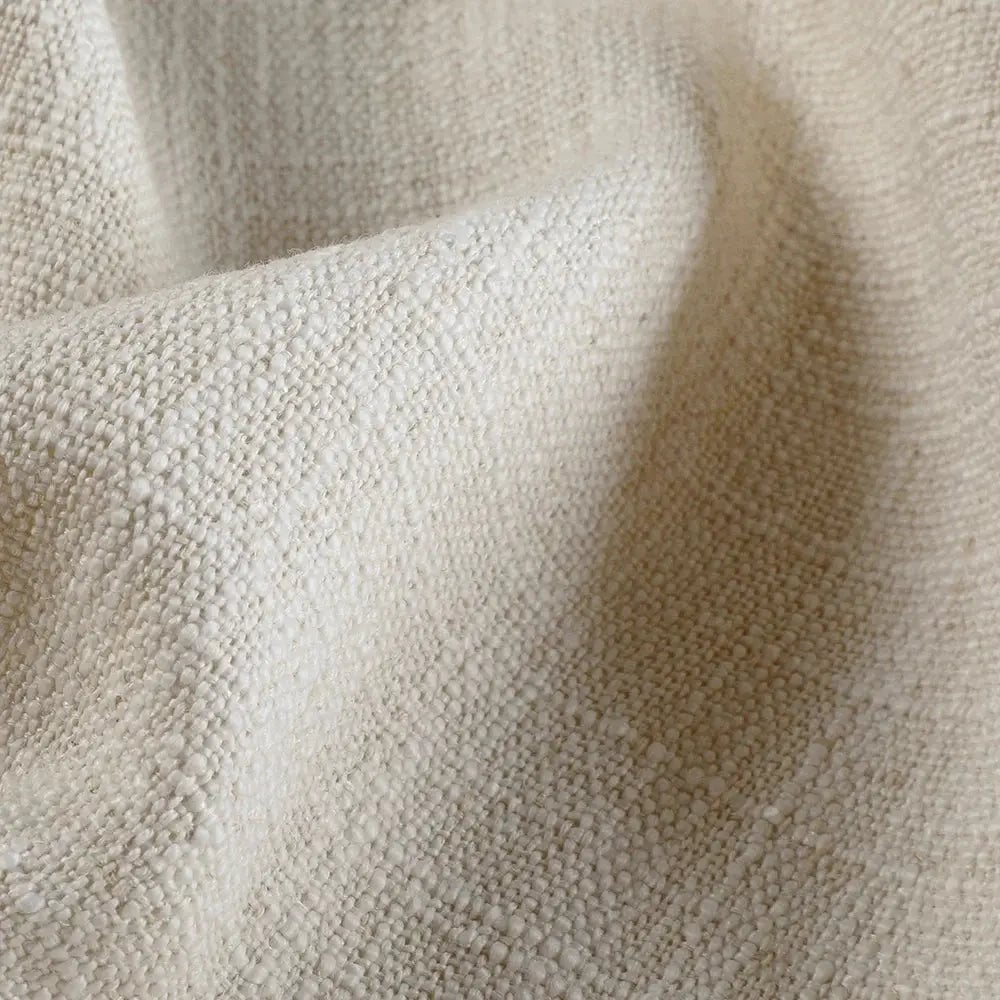
The Jawara collection is built from a linen cotton blend described as midweight, with yarn-dyed fibers that create a layered, dimensional surface rather than a flat, uniform tone. It comes in 22 to 23 colorways depending on the format, spanning drapery and a cordless Roman shade. Because the blend combines linen’s texture with cotton’s stability, the fabric drapes with body without feeling heavy on the track.
Patti takes a different route, woven from 100% Belgian flax linen rather than a blend. It is described as naturally textured and airy, a fiber composition that looks lighter and more irregular on the window than a cotton-reinforced linen. Both the Jawara Collection and the Patti Collection are honored to be included in the ASID Fall Design Product Guide. Decorators weighing the two are really choosing between a stabilized blend and a pure natural fiber with a looser, more irregular hand.
Heavyweight Cotton Versus Linen Blend: Isabella and Liz Construction Compared

Isabella is built as a heavyweight cotton drapery, triple pleated, and is also offered with decorative trim along the edges for a tailored border detail. The heavier cotton construction gives the panel a structured, substantial drop, which is part of why Isabella is positioned for bedroom settings. Liz runs in the opposite direction on fiber but a similar direction on weight, since it is a linen blend fabric also classified as heavyweight, with a slub texture across 38 colors.
That slub texture gives Liz an irregular, woven surface rather than the smoother face of Isabella’s cotton. The Liz fabric specifically carries OEKO-TEX Certification, according to the swatch listings. For a decorator, the practical takeaway is that heavyweight does not mean identical drape. Cotton and linen blend fibers fall differently even at a comparable weight class, so swatch comparison still matters before specification.
Velvet and Specialty Fabrics: When to Choose Birkin Over Traditional Textiles
Birkin departs from the linen and cotton base of the rest of the range entirely. It is a polyester velvet, pleated, and sold in white, ivory, and chocolate brown among its 37 color options. The plush pile gives it a denser, more light-absorbing surface than the woven linen or cotton collections, which changes how a room appears under both daylight and lamp light.
Where Jawara, Patti, Liz, and Isabella lean toward textured, natural-fiber neutrals, Birkin is built for a more saturated, formal statement. A space that wants depth and contrast against lighter upholstery may call for the velvet line, while a room built around natural materials and daylight softness tends to stay with the linen and cotton collections instead. TWOPAGES (US) positions the velvet option as a deliberate choice within its broader fabric library rather than a default alternative.
Roman Shades and Roller Shade Options: Cordless Mechanisms and Light-Filtering Versus Blackout
TWOPAGES (US) extends several of its drapery fabrics into Roman shade formats. The Jawara Roman Shade is cordless, supports smart home compatibility across four major ecosystems, and ships with 3 folds by default on shades under 34 inches in length, with custom fold requests available. The Patti Roman Shade uses the same Belgian linen as its drapery counterpart, also in a cordless configuration, and a Relaxed Roman Shade option runs on a cord lift for a softer, less structured fold.
Liz extends into shade form as well, using a Nash Cordless System with a motorized lift and an aluminum headrail, alongside a separate Neil Loop Cord Lift version. On the roller shade side, the Alvin line offers a no-drill, tool-free cordless installation and is available in both light-filtering and blackout fabric options, with printed patterns drawn from the Celia, Holly, Sara Le, Jyll Mackie, and Rebecca Hughes collections. The choice between light-filtering and blackout fabric changes how much daylight a room retains, independent of which mechanism or mounting style is specified.
Room Divider Configurations: Ripple Fold Curtains and Track Systems for Open Spaces

For open-plan layouts, this collection offers ripple fold curtains paired with the Leo Track system, used to create a functional room divider rather than a fixed wall. The Scandina Sheer Ripple Fold set uses a sheer fabric for a soft, light-filtering divide, while a Liz Linen Ripple Fold version uses the same linen blend fabric found in the drapery line for a more substantial divider. Ripple fold construction runs the fabric in continuous, even waves along the track, which differs visually from the stacked folds of a triple or pinch pleat heading.
- Triple pleat headings appear across the Liz, Jawara, Isabella, and Sara Le collections for a structured, column-like fold.
- Double pinch pleat construction is used in the canopy bed curtain set, paired with a separate valance on a front track.
- Jawara uses a midweight linen cotton blend with yarn-dyed fibers for a layered surface texture.
- Patti is woven from 100% Belgian flax linen rather than a blended fiber.
- Isabella and Liz are both classified as heavyweight, one in cotton and one in a linen blend with a slub texture.
- Birkin departs from natural fibers entirely, using a polyester velvet construction across 37 colors.
- Roman shades from Jawara, Patti, and Liz offer cordless lift mechanisms, while Alvin roller shades add a no-drill installation.
- Ripple fold curtains on the Leo Track system are used for room divider configurations rather than standard window coverage.
Across every collection, pairing pleat styles and fabric weights with the right mechanism, whether cordless, motorized, or track-mounted, remains the detail that separates a generic specification from one built for a particular room. The range spreads that choice across linen blends, pure flax linen, heavyweight cotton, and velvet, alongside Roman shade, roller shade, and ripple fold formats built on the same fabric library.
Fabric weight, pleat finish, and mechanism work together to shape how a window drapery performs and reads within its space.