Food Delivery Without Breaking the Bank DoorDash Value Options

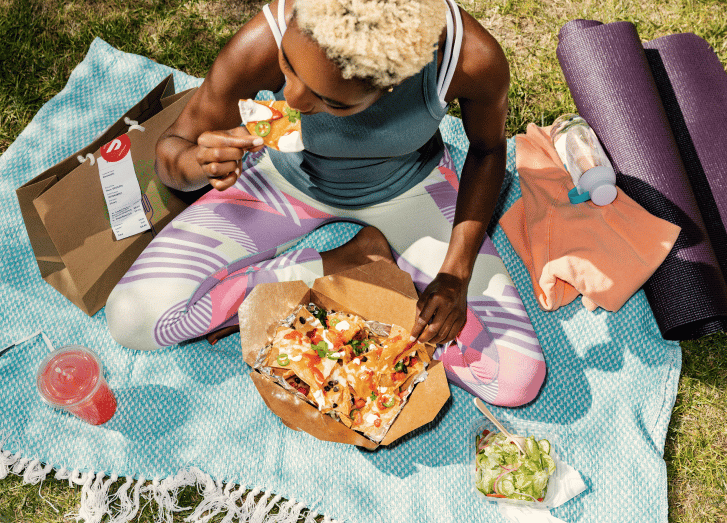
“Affordable food delivery made simple with DoorDash's restaurant, grocery, and DashPass savings options. 🍔”
Finding affordable food delivery without sacrificing variety or convenience has become a real priority for budget-conscious households. DoorDash (US) offers a wide range of restaurant, grocery, and convenience options built around a delivery fee structure and membership program designed to keep costs predictable. This article looks at how the service’s pricing model, DashPass membership, and broader service range combine to make affordable food delivery a realistic goal rather than an occasional treat.
Understanding DoorDash’s Delivery Fee Model
DoorDash applies a delivery fee to most orders, though new users are offered a reduced delivery fee on their first order, with other fees still applying. That starting offer gives first-time users a clear look at how the platform works before committing to regular use. Beyond that initial order, fees vary depending on the restaurant, distance, and order type, which means costs can shift from one order to the next.
Because fees are not fixed across the board, comparing options before checkout can make a noticeable difference. Someone ordering from a nearby restaurant may see a different fee structure than someone ordering from a store farther away. This variability is part of why understanding the fee model matters for anyone trying to keep delivery spending in check.
DashPass Membership and Ongoing Savings
DashPass is DoorDash (US)‘s membership option built specifically around reducing recurring delivery costs. Members get a waived delivery fee on DashPass-eligible orders, along with 5% back on pickup orders, among other benefits. The membership includes a trial period of 30 days, giving new members a chance to test whether it fits their ordering habits before any ongoing commitment begins.
For households that order food regularly, this kind of membership can turn an otherwise unpredictable delivery fee into a non-issue on qualifying orders. The 5% back on pickup orders also rewards users who sometimes choose to collect their own order rather than have it delivered. Together, these two mechanics make DashPass a central part of how the platform approaches affordable food delivery for frequent users.
Restaurant Delivery vs. Pickup: Where the Savings Lie
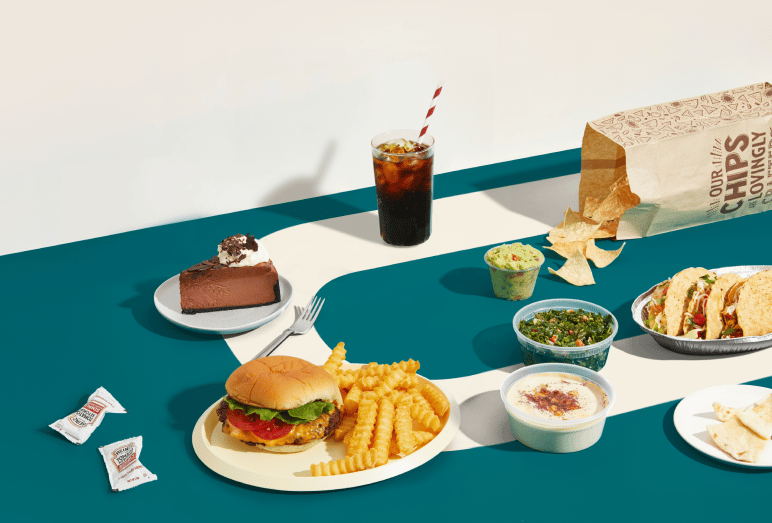
DoorDash (US) supports both delivery and pickup from local restaurants, and the two options carry different cost structures. Delivery brings a meal directly to the door, while pickup means collecting the order directly from the restaurant. Because DashPass offers cash back specifically on pickup orders, that option carries its own built-in incentive for members.
Restaurant variety on the platform ranges from a single slice of pizza to a whole pie, or from a fast order to something like house lo mein from a takeout spot being tried for the first time. This breadth means the choice between delivery and pickup is not just about cost, but about matching the order to the occasion. A quick pickup might suit a solo lunch, while delivery often makes more sense for a larger family order.
Grocery and Convenience Store Delivery on a Tight Budget
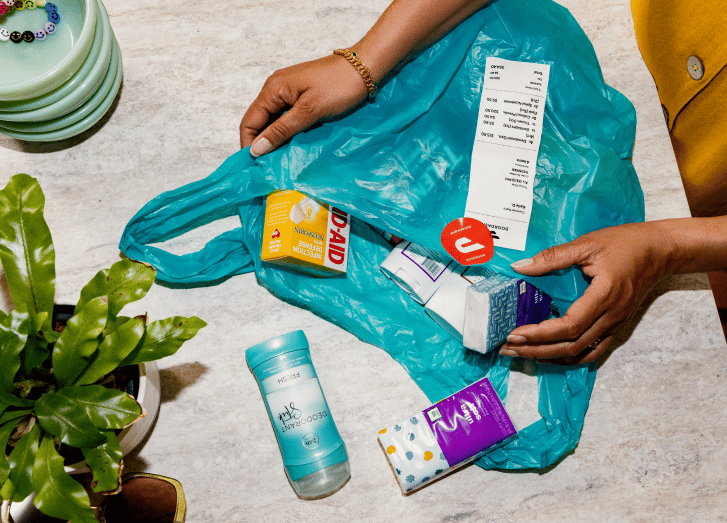
Grocery delivery through DoorDash covers fresh produce, frozen entrees, deli items, and more, letting someone fill a cart from home. This extends affordable food delivery beyond restaurant meals and into everyday household shopping, which is often a bigger and more recurring expense. Shopping this way also means groceries can be selected deliberately, rather than picked up impulsively in a store.
Convenience store delivery adds another layer, covering snacks, household essentials, candy, and vitamins, with delivery available in under an hour. This can be useful for smaller, time-sensitive needs that do not call for a full grocery trip. Combined, the grocery and convenience categories show that this service is not limited to restaurant meals alone.
Maximizing Value Across DoorDash’s Full Service Range

DoorDash (US) extends well past food and groceries, covering beauty essentials, flowers, alcohol for those 21 and over, and pet supplies such as food, chew toys, and costumes. This range means a single account can handle errands that might otherwise require several separate trips or services. Consolidating these needs through one platform can simplify how a household manages recurring purchases.
Because DashPass benefits often apply across these categories, the membership’s value extends beyond just restaurant orders. A household stocking up on pet food, restocking a minibar for a gathering, or sending flowers for an occasion can draw on the same account and membership structure. This breadth is part of what separates a general delivery app from one built around a wider shopping routine.
Smart Ordering Strategies for Lower Overall Costs
Approaching the platform with a bit of planning can help keep delivery spending in check over time. Combining smaller errands into a single order, choosing pickup when cash back applies, and paying attention to which orders qualify for reduced fees all play a role. None of these strategies require giving up convenience, but they do require a little attention at checkout.
- Combine grocery and convenience items into one order instead of placing several separate ones.
- Choose pickup for eligible orders to take advantage of the 5% back available to DashPass members.
- Take advantage of the reduced delivery fee offered on a first order before deciding whether ongoing membership makes sense.
- Compare delivery fees across nearby restaurants or stores before finalizing an order.
- Use the trial period of DashPass to evaluate whether membership benefits apply to typical ordering habits.
These habits do not change what is available through the platform, but they do change how much of that range gets used efficiently. For anyone trying to treat delivery as a regular part of a budget rather than an occasional splurge, small adjustments like these tend to add up. Affordable food delivery, in this sense, is as much about ordering habits as it is about the fee structure itself.
Bringing It Together

DoorDash (US)‘s combination of a flexible fee model, the DashPass membership, and a wide service range gives cost-conscious users several paths toward keeping delivery spending reasonable. As grocery, convenience, and restaurant needs increasingly overlap in daily life, that kind of flexibility is likely to matter even more going forward.