Crew Clothing Coats, Knits and Sweats Understanding Fabric Blends, Weight and Construction Details

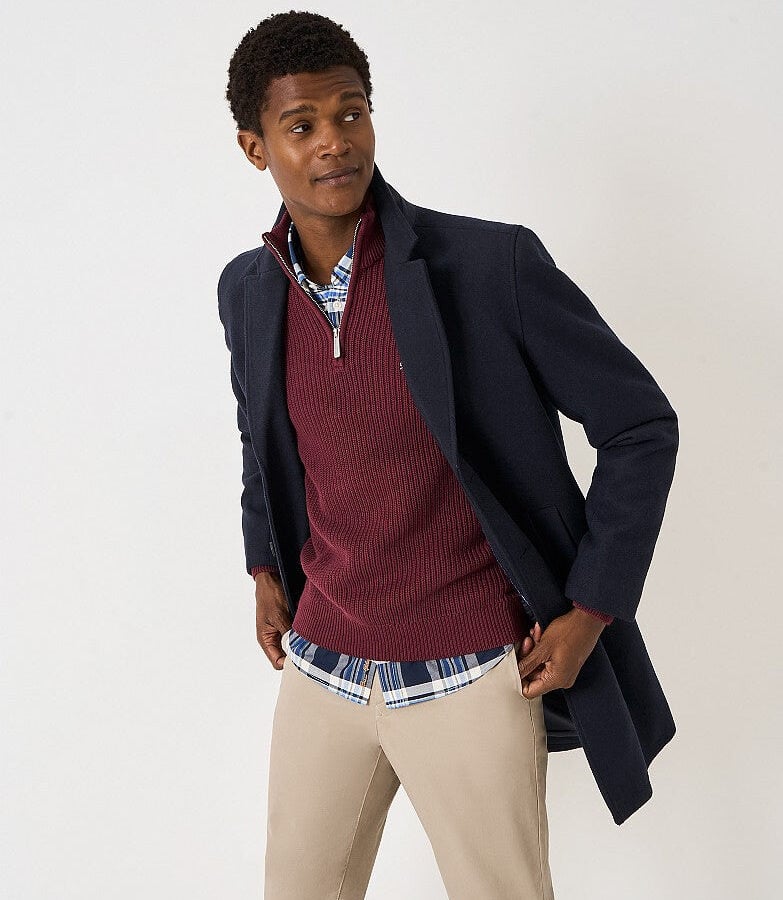
“🧥 A closer look at how fabric blends, knit structures, and finishes shape every Crewclothing coat and jumper.”
Crew clothing coats and knits cover a broad spread of fabric choices, from heritage cotton knitwear to wool-blend tailoring and technical sweatshirt layers. Understanding what sits behind each label, including the fibre blend, the knit structure, and the finishing details, makes it easier to see why one coat behaves differently from another. Crewclothing lists these compositions directly on its product pages, which gives a clear starting point for comparison. This guide walks through the main construction differences across the range, looking at collar styles, rib trims, and insulation methods along the way.
Wool-Blend and Merino Wool Outerwear: When to Choose Each
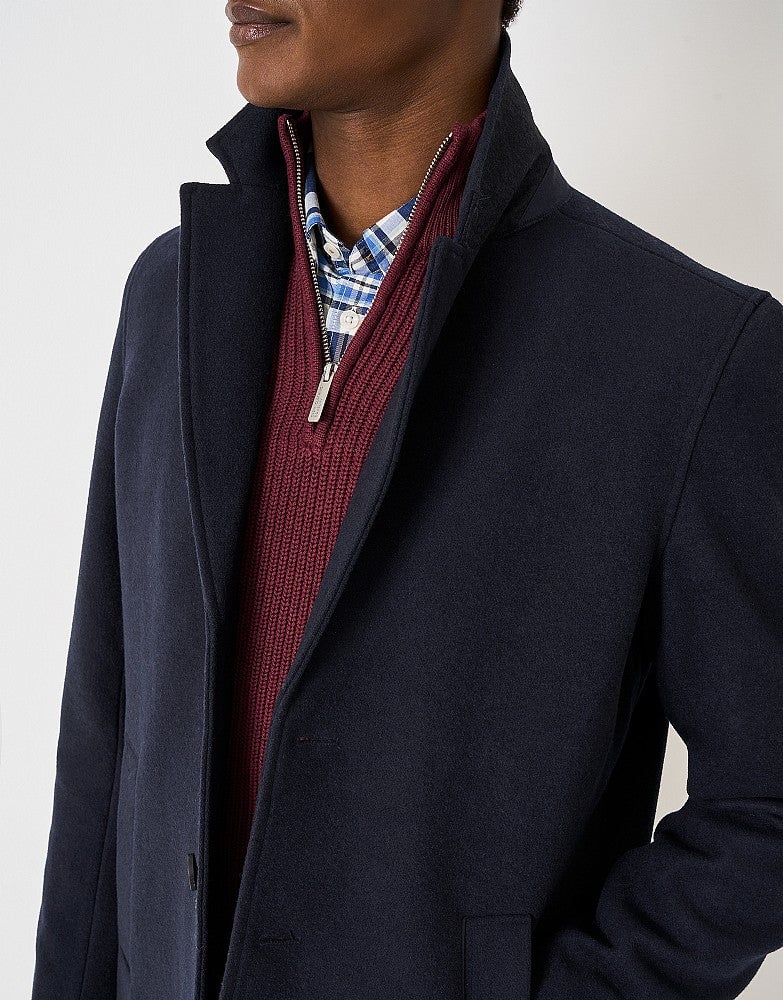
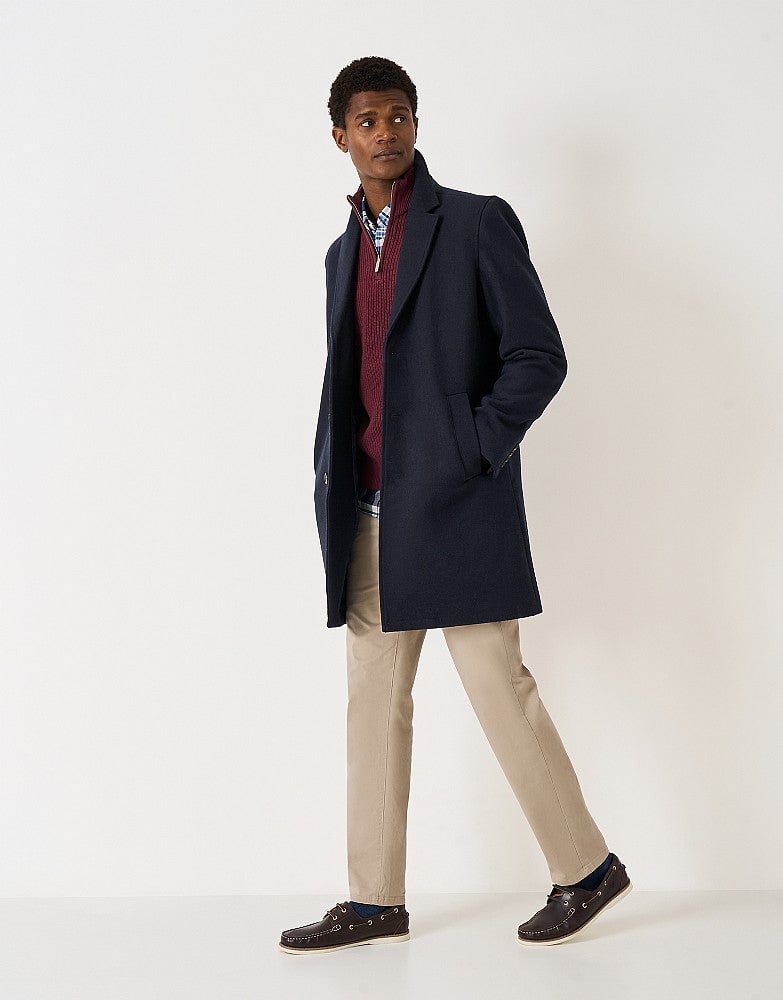
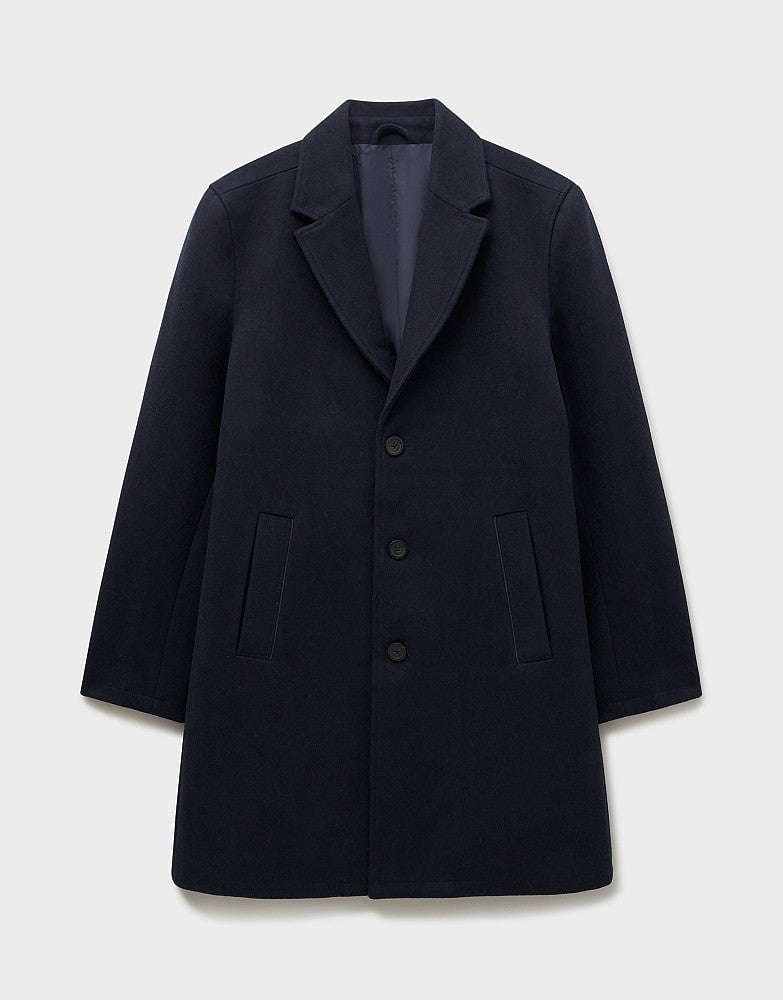
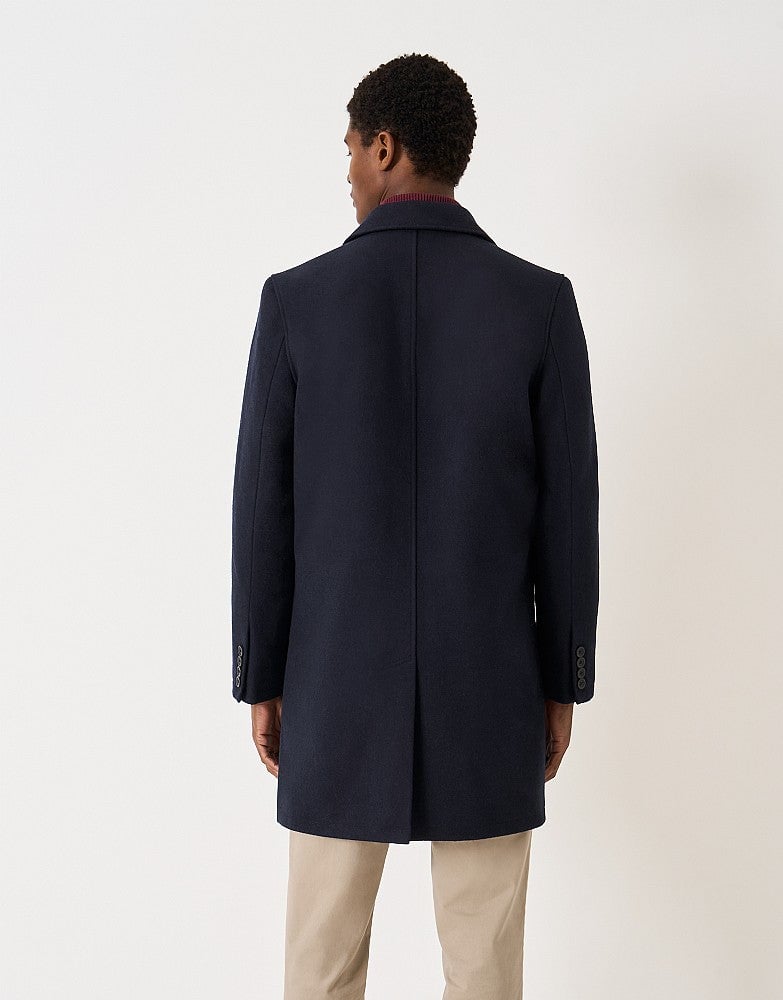
The Petersfield coat is one of the clearest examples of wool-blend outerwear within the range. It is a single-breasted coat crafted in a soft blend with wool, styled with notched lapels, branded buttons, and a jacquard lining. A crossed oars embroidery sits under the collar, a recurring signature across the Crewclothing range.
Beyond that structured coat, the cable-knit beanie shows a different kind of wool blend, built from 85% acrylic and 15% wool for a chunky, warm finish. That composition carries less wool than the coat fabric, which changes how the piece handles and washes. Both pieces share the same embroidered detailing, tying the accessory range back to the coats even where the fabric blend differs.
Organic Cotton Half Zip Jumpers and Heritage Knit Construction
The Organic Cotton Half Zip Jumper in Heritage Navy is cut from 100% cotton and finished with a ribbed collar, cuffs, and hem. Crewclothing describes it as one of the more versatile pieces in the knitwear line, suited to being worn alone or layered under a shirt. The zip pull carries branded detailing, and the crossed oars embroidery appears again on the chest.
This half-zip sits apart from the Classic Half Zip Sweatshirt, which blends cotton with polyester in the body and adds elastane to the rib for stretch. That distinction matters for anyone comparing crew clothing coats and knits side by side, since a 100% cotton knit drapes differently than a cotton-polyester-elastane blend. The heritage knit relies on construction and ribbing for shape, while the sweatshirt leans on its blended fabric for a closer, more fitted feel.
Cotton-Jersey and Technical Half-Zip Layers: Fabric Performance Differences
Technical layers introduce a different fabric logic entirely. The Technical Half-Zip Jacket in Forest Green uses a quick-drying, stretchy jersey described as buttery soft and breathable. It includes concealed inseam hand-warmer pockets and light-reflective detailing, features built for movement rather than tailoring.
By contrast, the Crew Classic T-Shirt relies on a plain 100% cotton jersey, peached and gently garment washed for a softer hand feel. That peaching process is a finishing step rather than a fabric blend, so it changes texture without altering fibre content. Comparing these two shows how two cotton-based pieces in crew clothing coats and knits can behave in opposite ways once construction and finishing enter the picture.
Quilted and Padded Coats: Insulation Methods and Seasonal Use
Padded and quilted outerwear relies on a different insulation logic than woven wool coats. The Cord Diamond Quilted Jacket in Green pairs a quilted cord outer with a diamond stitch pattern that traps air between layers rather than relying on wool density. The Borg Fleece Padded Gilet with Rib Collar in Oatmeal takes a related approach, pairing a padded body with a borg fleece rib collar for added warmth around the neck.
These two pieces are built for a different kind of layering than the Petersfield coat. Where the wool-blend coat is structured and tailored, quilted and padded styles are designed to sit under or over other layers. Crewclothing frames that choice around silhouette as much as warmth, since each style is meant to be worn differently within an outfit.
Texture, Rib and Fair Isle Knit Details: Construction Variations Across the Range
Knitwear construction varies considerably once texture enters the conversation. The Plaited Rib Cotton Rugby Jumper uses a plaited rib design finished with a button-down placket and a contrasting collar, giving it a different silhouette from a plain crew neck. The Heritage Cable Crew Neck Jumper in Navy and Pink takes a cable-knit approach instead, relying on raised stitch patterns rather than a plaited rib for its texture.
Elsewhere, the Mixed Rib Crew Neck Dress in Dark Red combines several rib widths within a single garment, which is a construction choice rather than a fabric change. These variations affect drape and stretch independently of the fibre content listed on the label. Anyone comparing crew clothing coats and knits across categories will notice that texture, not just composition, drives much of the visual difference between styles.
- The Petersfield coat uses a wool blend finished with a jacquard lining and notched lapels.
- The Organic Cotton Half Zip Jumper is made from 100% cotton with a ribbed collar, cuffs, and hem.
- The Classic Half Zip Sweatshirt combines cotton and polyester in the body with an elastane rib for stretch.
- The cable-knit beanie is built from 85% acrylic and 15% wool for a chunky finish.
- The Technical Half-Zip Jacket uses a quick-drying, stretchy jersey with reflective detailing.
- The Plaited Rib Cotton Rugby Jumper uses a plaited rib design with a contrasting collar.
Classic Pique Polos and Rugby Shirts: Collar and Placket Distinctions
Polo shirts and rugby shirts share a sporting heritage but differ sharply in construction. The Classic Pique Polo is made from 100% cotton with a ribbed collar and sleeve, plus embroidered branding under the collar. A Cotton Cut and Sew Rugby Shirt, however, is built with heavier woven panels rather than a knitted pique body, which gives it a sturdier handle.
The children’s Cotton Long-Sleeve Harlequin Rugby shirt illustrates the same family of features at a smaller scale. It uses a soft cotton-jersey fabric, a classic twill collar, ribbed cuffs, and hidden front buttons rather than a full button placket. That combination of twill collar and jersey body is a distinct construction from the pique polo, even though both sit in the same general category of casual tops.
Crewclothing organises these pieces, from coats through knitwear to rugby shirts, around recognisable details such as the crossed oars embroidery and ribbed trims. Recognising those construction cues makes it easier to understand why two garments described as cotton can still feel and wear so differently, and why crew clothing coats and knits reward a closer look at the label.
Closing Thought
Reading a label closely turns a simple purchase into an informed one, long before the first wash.