Composite Decking vs Timber Decking Travis Perkins Product Range Comparison

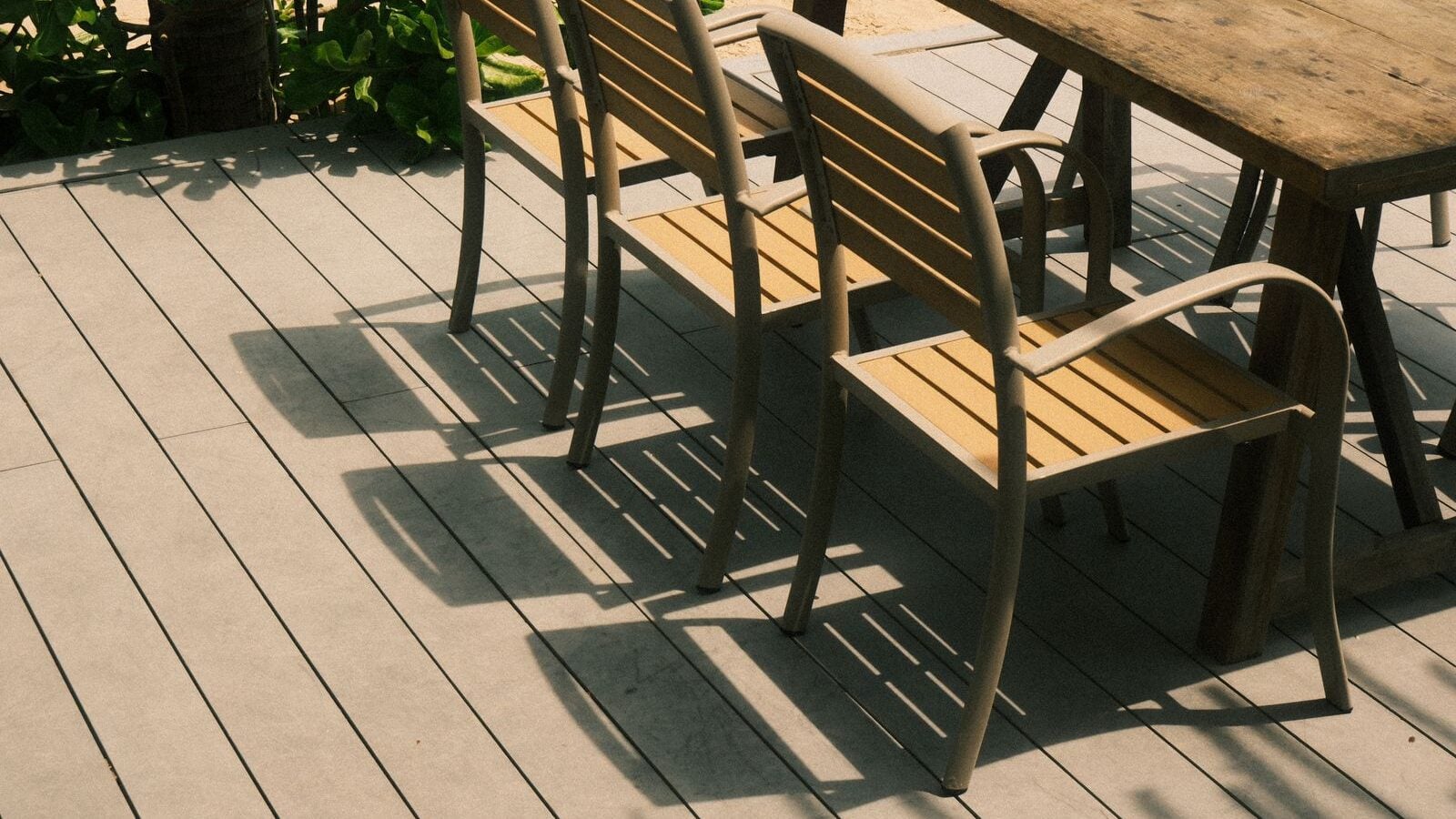
“Timber or composite? A closer look at how Travis Perkins stocks both decking lines, from boards to balustrades. 🪵”
Solid wood boards and manufactured composite boards produce very different outdoor decks, and the composite decking vs timber decking choice affects colour, texture, and the upkeep a project will need later. Travisperkins carries both material types, together with the treatments and fixings that go alongside them, which makes its range a useful starting point for comparing the two. This article looks at how each product line is built up and what actually separates the boards themselves.
Timber Decking Options in the Travis Perkins Range
Timber Decking is stocked as its own line within the wider Decking department at Travisperkins, sitting next to Timber Sleepers and other outdoor timber stock. These are solid wood boards cut and finished from softwood or hardwood, and each board carries its own grain pattern and colour variation. That natural look suits projects aiming for a traditional garden appearance rather than a uniform, manufactured finish.
Beyond the decking boards themselves, Travisperkins lists Sawn Timber, Treated Timber, Planed Timber, Planed Softwood, Planed Hardwood, and Planed Tongue & Grooved Flooring. These sit within the broader Timber & Sheet Materials area rather than inside Decking specifically, but they show the depth of timber stock behind a project built mostly in wood. For a deck frame as well as its surface boards, that breadth matters because joists and bearers often come from the same treated timber stock.
Composite Decking as an Alternative Material
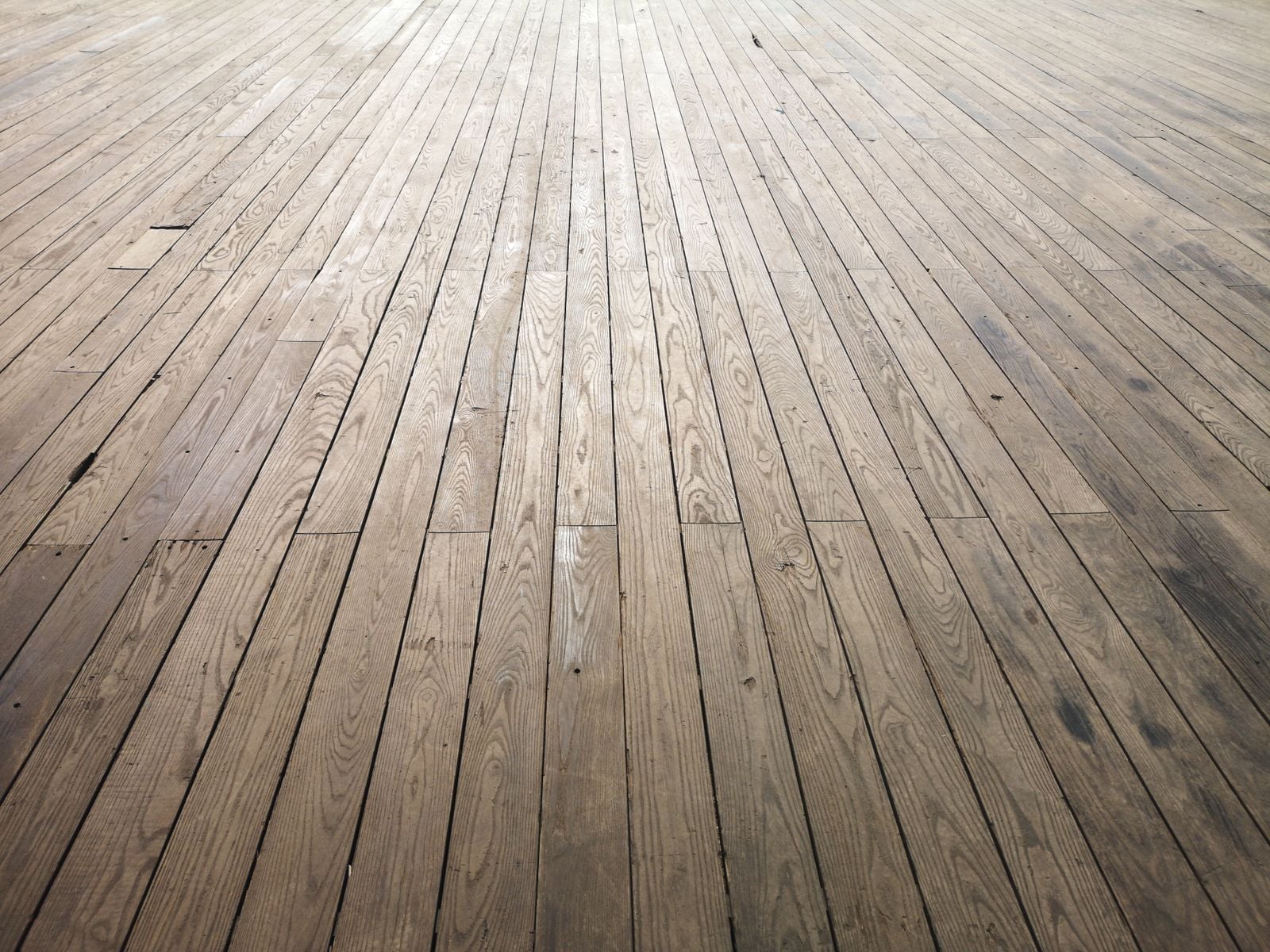
Composite Decking appears as a separate category from Timber Decking within the same Decking section. Composite boards generally combine wood fibre with recycled plastic, which gives a more consistent surface colour across a full run of boards than a natural wood board can offer. That consistency can matter on a long deck run, where mismatched grain or knots in timber would otherwise stand out.
On a project where appearance needs to stay even across a large area, such as a long garden walkway, that manufactured uniformity favours composite boards over timber. Because both options sit inside the same Decking category at Travisperkins, they can be reviewed side by side before a material gets chosen for a specific layout.
Key Material Differences Between Timber and Composite Decking
The core distinction in any composite decking vs timber decking comparison comes down to what each board is made from. Timber is a natural product shaped from softwood or hardwood, so no two boards look identical, and the surface responds to weather the way untreated wood always has. Composite boards combine wood fibre with recycled plastic, which changes how the material handles rain and damp ground contact compared with solid timber.
That difference has a practical effect on how each material gets maintained over time. Because timber reacts more directly to moisture and sunlight, treatments are sold as a distinct line to manage that exposure, whereas composite boards arrive with weather resistance built into the material itself. A shaded or exposed garden corner, where boards stay damp for longer, is one example of where that distinction becomes a practical factor rather than an abstract one.
Decking Treatments and Maintenance Accessories
Fencing & Decking Treatments, Decking Screws, and Decking Balustrades & Accessories all sit directly under the main Decking heading at Travisperkins, alongside Timber Decking, Composite Decking, and Timber Sleepers. Grouping treatments and fixings together with the boards means the accessories a deck will actually need can be checked at the same time as the decking material, rather than through unrelated departments. Decking Screws, in particular, are listed separately from the general fixings carried in the Fixings & Adhesives department.
That separation matters most for composite boards, which often call for fixing types designed not to damage or discolour the composite surface during installation. Fencing & Decking Treatments, by contrast, relate mainly to timber, since composite boards are not treated in the same way once installed. Keeping both lines under one Decking heading still lets either material be checked against its matching accessories in one place.
Complementary Products: Balustrades and Installation Hardware
Decking Balustrades & Accessories cover the hardware needed for raised decks or bordered edges, and they sit inside the same Decking category as the boards at Travisperkins. That means a raised deck, the kind built over a sloped garden or a change in ground level, can be specified from one category rather than several unrelated parts of a site.
Builders Metalwork is a separate department that includes Joist Hangers, Builders Restraint Straps, Wall & Frame Ties, Wall Starter Kits, and Angles & Brackets. Joist Hangers in particular matter for the substructure beneath either a timber or a composite deck, even though that product sits outside the Decking category itself.
- Timber Decking is stocked as a dedicated category offering softwood and hardwood boards with natural grain variation.
- Composite Decking is listed as a separate material option built from wood fibre and recycled plastic for a more uniform finish.
- Fencing & Decking Treatments support the upkeep that timber boards generally need over time.
- Decking Screws are carried as a decking-specific fastener line rather than mixed into general fixings.
- Decking Balustrades & Accessories provide the hardware for raised or bordered deck structures.
- Builders Metalwork, including Joist Hangers and Wall & Frame Ties, supports the frame built beneath a deck surface.
Choosing Between Timber and Composite Decking for Your Project
Deciding between composite decking vs timber decking usually comes down to what a specific project needs rather than a single universal answer. A garden aiming for a traditional, varied wood appearance points toward timber, while a long run of boards needing a consistent colour points toward composite. Checking the actual listings at Travisperkins, including the treatments and fixings sold alongside each board type, keeps that decision grounded in the real product range rather than general assumptions.
Matching material characteristics, maintenance expectations, and accessory needs to a project remains the most reliable way to settle the timber versus composite question.