Common Misconceptions About Sizing and Fit in Occasion Wear

“👗 Ordering two sizes isn't indecision, it's smart shopping, and the right size guide makes occasion wear sizing far less of a guessing game.”
Shoppers often hesitate at checkout when a dress size could go either way, and that hesitation is exactly where most myths about occasion wear sizing take root. Many assume ordering two sizes is wasteful or indecisive, when in practice it reflects how inconsistent sizing can be across different cuts and fabrics. Understanding what actually drives fit problems, and what tools exist to solve them, changes how people approach dress shopping for weddings, parties, and formal events.
Why Ordering Multiple Sizes Isn’t Always a Mistake
A common belief is that ordering more than one size signals poor planning. In reality, body shapes vary and so does the drape of satin, sequin mesh, or jacquard fabric. Goddiva has noted that ordering for choice makes up almost a quarter of returns across the fashion industry, which suggests this behaviour is widespread rather than unusual. That statistic alone challenges the idea that trying two sizes is careless shopping, and it reframes occasion wear sizing as a genuine point of uncertainty rather than a shopper error.
The Environmental Impact of Sizing Misconceptions
Returns driven by uncertain sizing carry a real environmental cost. According to figures shared by Goddiva, return-for-choice behaviour equates to roughly 4 million metric tonnes of CO2, comparable to powering 500,000 homes for a year. That number reframes the issue. Guessing a size is not just a personal inconvenience, it contributes to a measurable industry-wide footprint.
This is why tools that help narrow down the right fit before ordering matter more than they might first appear. A smaller number of needless returns adds up across an entire customer base. Reducing guesswork at the point of purchase, rather than after delivery, addresses the problem closer to its source.
How Goddiva’s Virtual Fitting Room and Size Guide Work
Goddiva provides a virtual fitting room and a size guide directly on product pages, intended to help shoppers find the size most likely to fit before placing an order. Instead of defaulting to ordering two sizes out of habit, a shopper can check guidance specific to the item in question. This approach treats occasion wear sizing as something to verify in advance rather than something to troubleshoot once a parcel arrives.
The size guide sits alongside each product rather than as a separate, generic chart. That placement means the information is tied to the specific dress being viewed. For garments with structured bodices or stretch panels, that detail can matter more than a universal size conversion table.
Faux Fur and Sequin Fabrics: What Fit Actually Depends On
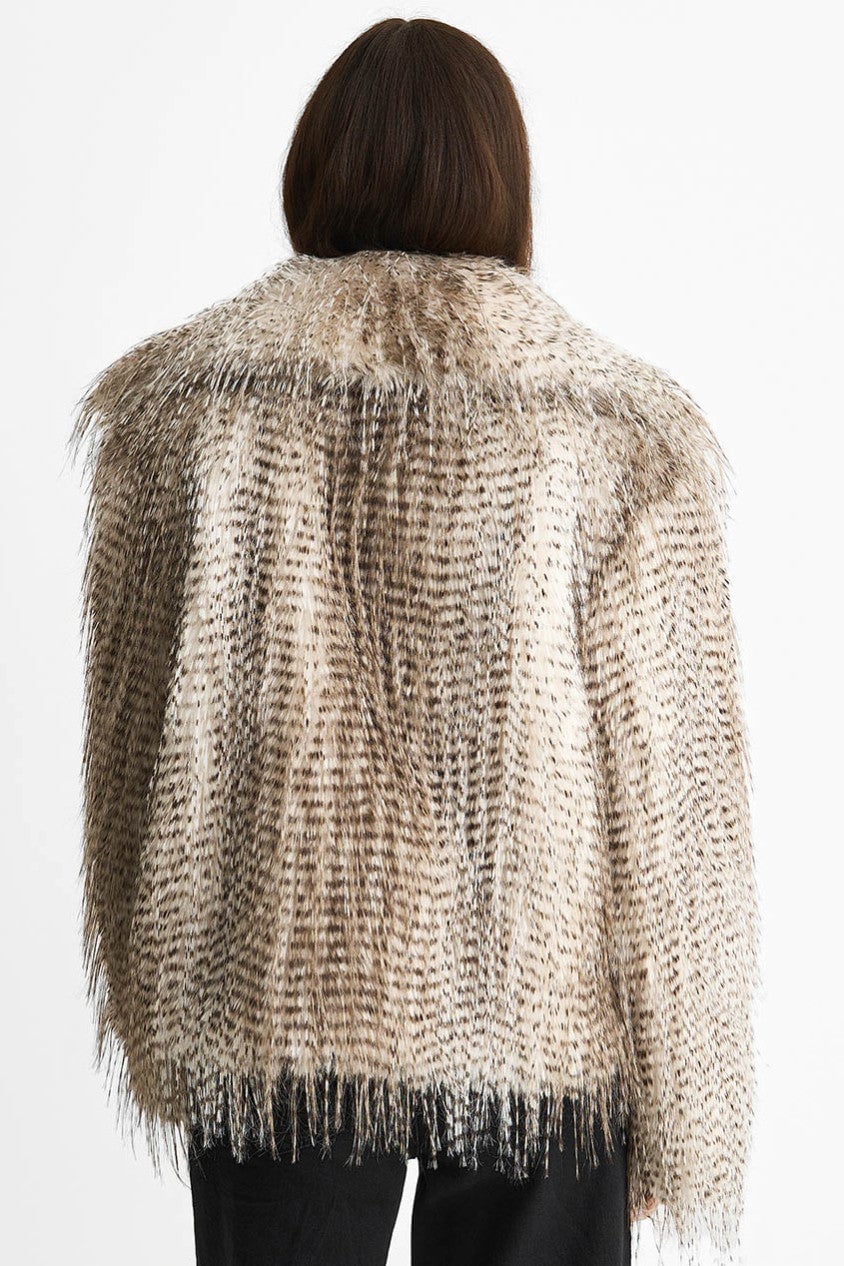
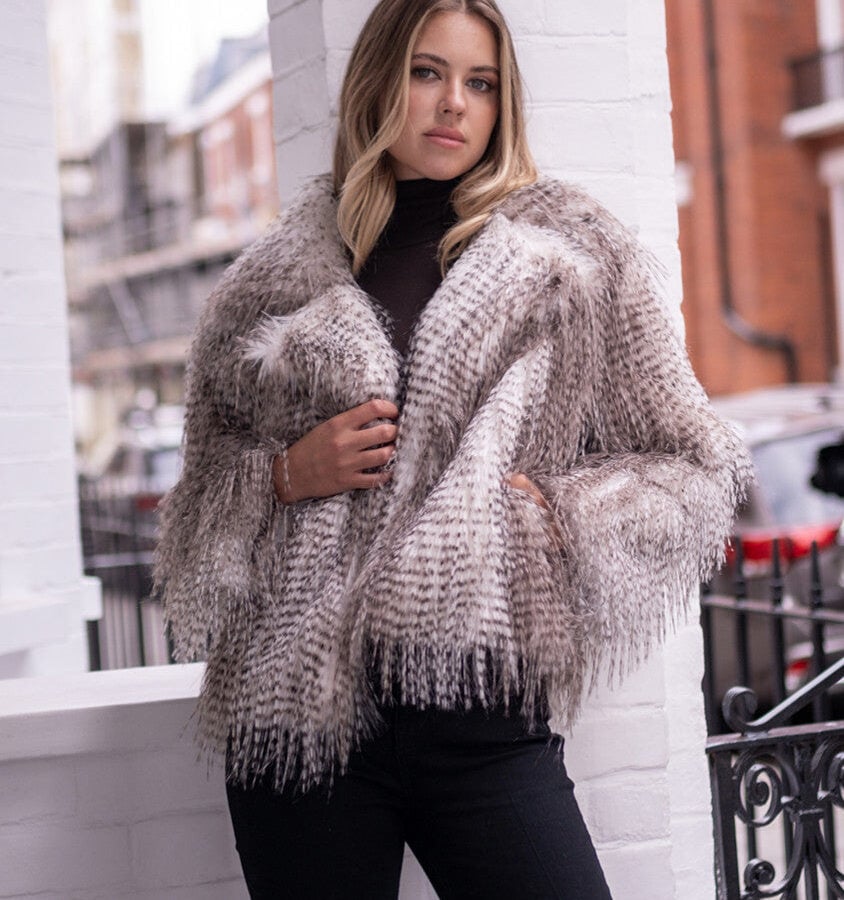
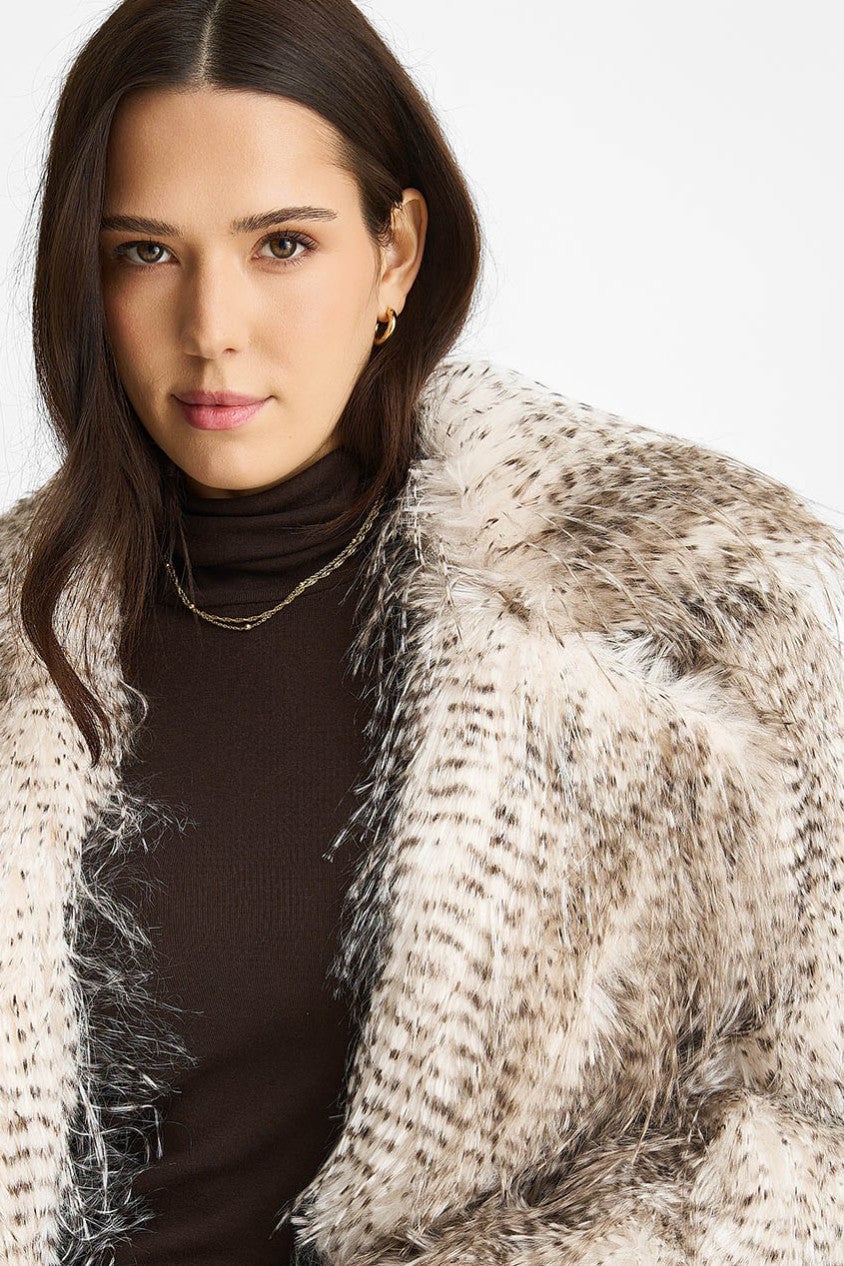
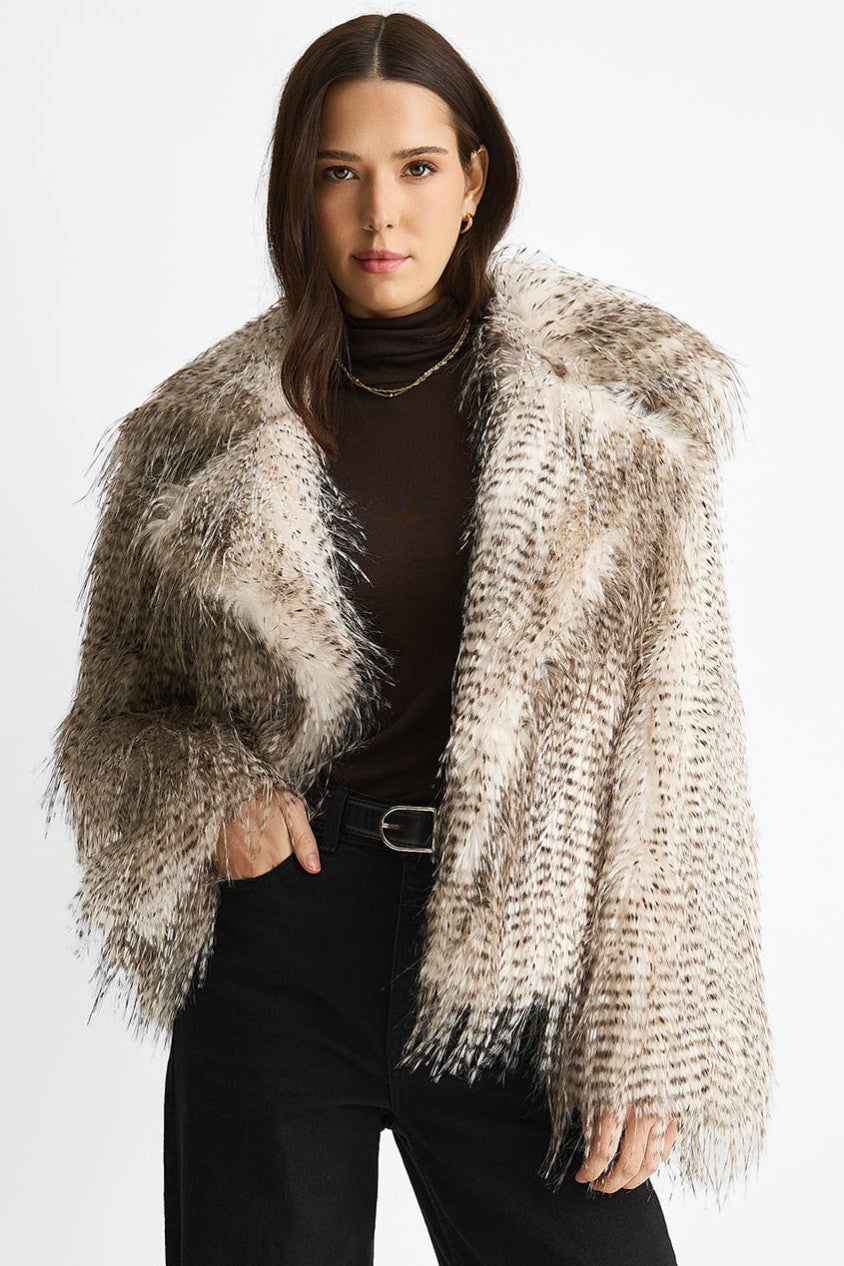
Fabric choice changes how a size behaves on the body, a point often overlooked in sizing discussions. Faux fur pieces from Goddiva, such as the Brown Snow Leopard Faux Fur Short Jacket or the Chocolate Leopard Print Premium Faux Fur Belted Coat by Gini London, carry structure and bulk built into the fabric itself. A belted design, like the one on that coat, is described as flattering the silhouette through its waist construction rather than through sizing adjustments alone.
Sequin and mesh fabrics behave differently again. The Sequin Mesh One Shoulder Evening Maxi Dress and the Plunge Cowl Criss Cross Back Sequin Maxi Dress both rely on fitted, body-conscious cuts where stretch and drape play a role in how a size feels. Because these fabrics do not behave like a plain cotton or jersey dress, assuming a usual size will automatically translate across fabric types is one of the more persistent misconceptions in occasion wear sizing.
Understanding Bardot Necklines, Cowl Backs, and Draped Silhouettes
Necklines and back details also shape how a size fits in practice. The Satin Bow Bardot Sheath Maxi Dress features a plunging bardot neckline in a sleek sheath silhouette, a style where the cut around the shoulders affects overall fit more than the measurement alone might suggest. Similarly, the Sleeveless High Neck-Draped Cowl Mini Dress combines a high neck halter with a draped cowl open back, meaning two very different design elements interact within a single size.
Draped and cowl silhouettes, by their nature, are designed with some ease built in. That is different from a tightly structured gown, and assuming every style fits identically within the same labelled size overlooks this. Recognising these construction differences is part of making informed decisions around occasion wear sizing rather than relying on a single fixed assumption.
Exchanging for a Different Size at No Extra Cost
Perhaps the most persistent misconception is that getting a size wrong means being stuck with an unwearable dress. Goddiva states plainly that if an item isn’t perfect, it can be exchanged for a different size at no extra cost. That policy shifts the decision away from anxious pre-order guessing and toward a more practical safety net after delivery.
Some items, including certain dresses from partner labels like Bella Barnett, note that delivery may take longer since they ship from a partner warehouse. That detail is worth factoring into timing expectations around events, separate from the sizing question itself. Still, the exchange option remains a central part of how fit concerns get addressed once an order is placed.
- Many shoppers believe ordering only one size is always the more responsible choice, even when fit between two sizes is genuinely unclear.
- A widespread assumption holds that fabric type has no bearing on how a labelled size will actually fit.
- Some believe cowl, bardot, and draped styles should fit identically to a plain fitted dress in the same size.
- A frequent myth is that checking a size guide is unnecessary if a shopper already knows their usual size in other brands.
- Many assume that returning or exchanging a dress for a different size is a difficult or costly process.
- Another false belief treats ordering multiple sizes as purely wasteful, overlooking how common this behaviour is across the industry.
Rethinking Fit Decisions in Occasion Wear
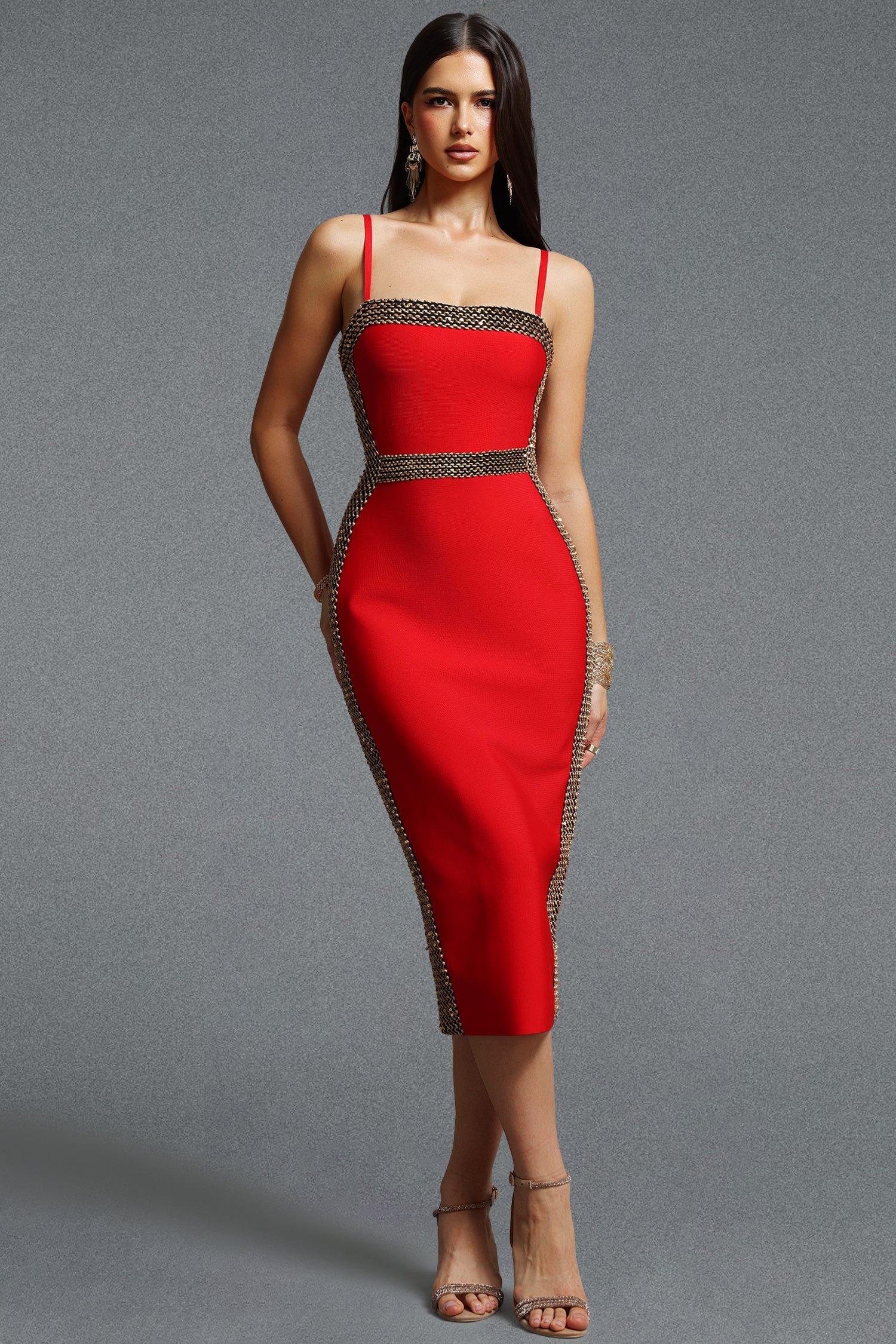
Sizing myths persist because occasion wear carries higher stakes than everyday shopping. Clearer information at the point of purchase, paired with a straightforward exchange option, gives shoppers a more realistic way to navigate fit than guesswork alone ever could.