Serene Cabin Retreats in the Birchwoods

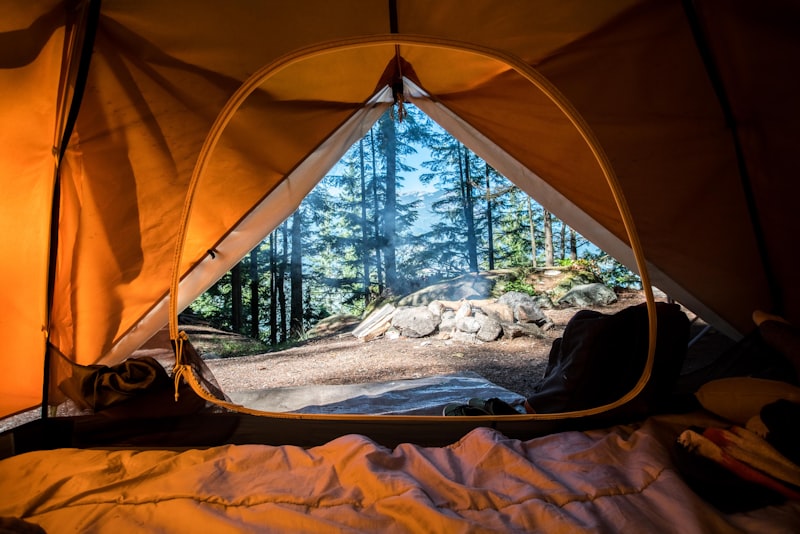
“Immersive architectural retreats made of natural timber, standing tall amidst misty whispering forests.”
Tucked deep inside northern woodlands, these micro cabins offer a perfect escape from digital grids. Large glass panels frame tall birch branches swaying in the wind.
Sleep under wool blankets, listen to the crackle of pine logs in the woodstove, and wake up to find deer grazing right outside your door.
These minimal shelters are designed to blur the boundary between human refuge and pristine nature. Constructed with raw, locally sourced larch timber and insulated with organic wool, the architecture feels like a living extension of the birch forest floor itself. There are no television screens, no high-speed routers, and no synthetic ambient noises—only the soft, reassuring rustle of birch leaves and the distant calls of woodland birds.
Spending a week in this deep woodland solitude recalibrates your sensory perception. You learn to read the changing hours of the day by the angle of the sunlight shifting across the wooden pine walls, and find deep delight in the simple, rewarding task of spliting firewood and brewing coffee over an open flame.
To travel slowly is to reject the checklist mentality of modern tourism. Instead of rushing to photograph every famous monument, the slow traveler chooses to unpack in a single quiet village, walking its narrow lanes, sitting in its local cafes, and letting the true character of the place reveal itself over time. It is an exploration of depth rather than distance.
In the remote highland valleys, far from high-speed highways, we find trails that have been walked by shepherds for centuries. Walking these ancient paths at a deliberate, quiet pace lets you observe the tiny, beautiful details of the landscape—the way green moss clings to damp granite walls, the sweet scent of wild heather in the wind, and the quiet shifting of mountain fog. These are the details that build a lasting connection.
Staying in simple stone cabins built with local timber and insulated with organic wool offers a unique physical grounding. Here, the artificial distractions of television and internet are replaced by the comforting crackle of pine logs in a woodstove and the beautiful, changing light of the forest outside. You learn to read the hours by the shifting shadows on the walls, waking up with the birds and sleeping with the dark.
The coastline, too, offers a magnificent medicine for the busy mind. Walking along wild, windy cliffs as cold salt spray rises from the crashing waves below clears away mental clutter, leaving you feeling fully awake and alive. In the evening, the slow sweep of a distant lighthouse across dark water and the steady rumble of the tides provide a comforting, ancient rhythm that cradles you into a deep, restorative sleep.
When we travel without rigid schedules or maps, we allow space for the unexpected. A chance conversation with a local weaver, a quiet afternoon spent reading under the shade of a wild fig tree, or a peaceful swim in an empty turquoise cove become the highlight of our journey. These unscripted, unhurried moments are where true discovery and personal growth happen.
By respecting the natural cadence of the communities we visit, we become mindful guests rather than consumers. We support local artisans, buy fresh food from village markets, and take time to understand the unique history and ecology of the land. In doing so, we return home not with a camera roll of tourist spots, but with a deeply enriched spirit and a renewed appreciation for the diversity of our beautiful world.
To travel slowly is to reject the checklist mentality of modern tourism. Instead of rushing to photograph every famous monument, the slow traveler chooses to unpack in a single quiet village, walking its narrow lanes, sitting in its local cafes, and letting the true character of the place reveal itself over time. It is an exploration of depth rather than distance. As we deepen this path of travel studies, every detail connects back to our inner harmony.
In the remote highland valleys, far from high-speed highways, we find trails that have been walked by shepherds for centuries. Walking these ancient paths at a deliberate, quiet pace lets you observe the tiny, beautiful details of the landscape—the way green moss clings to damp granite walls, the sweet scent of wild heather in the wind, and the quiet shifting of mountain fog. These are the details that build a lasting connection. As we deepen this path of travel studies, every detail connects back to our inner harmony.
Staying in simple stone cabins built with local timber and insulated with organic wool offers a unique physical grounding. Here, the artificial distractions of television and internet are replaced by the comforting crackle of pine logs in a woodstove and the beautiful, changing light of the forest outside. You learn to read the hours by the shifting shadows on the walls, waking up with the birds and sleeping with the dark. As we deepen this path of travel studies, every detail connects back to our inner harmony.