Chasing Mist: A Slow Walking Guide to Highlands

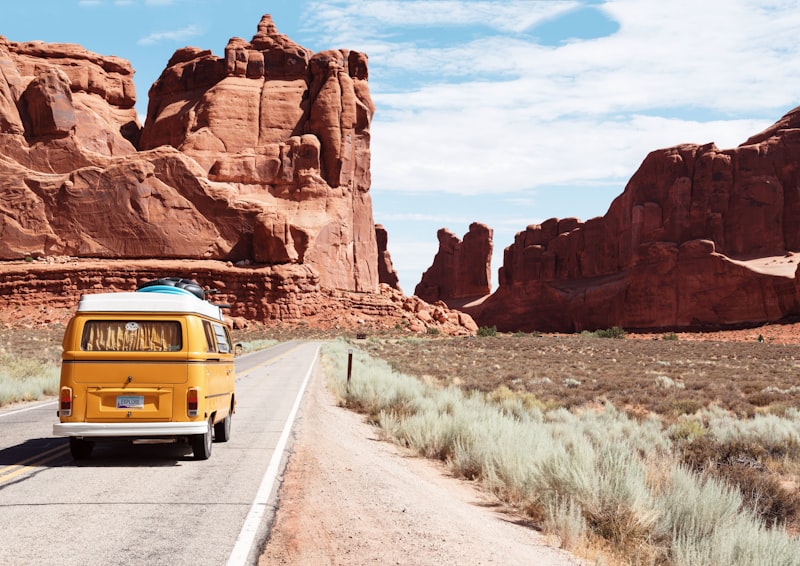
“Step away from rapid itineraries. Explore foggy mountain roads, ancient pine forests, and stone cabins off the tourist path.”
To truly absorb a new place, we must match its natural cadence. Modern tourism pushes us to collect spots, take check-in photos, and move quickly. A slow traveler, however, chooses to walk the quiet lanes, listen to local winds, and embrace the mist.
Deep in the highland ranges, we found small forgotten trails lined with sweet ferns and stone cottages. We stayed with local weavers, drank fresh well water, and appreciated the silence.
Walking through the highlands with deliberate slow-paced steps lets you observe the tiny variations in moss, the way dew clings to the ends of wild heather, and the unique, earthy smell of wet cedar. These micro-observations build a much deeper connection to a foreign landscape than any high-speed highway tour could ever offer.
As night descends, the highland mist settles heavy and quiet over the stone valleys. Sitting by a crackling fireplace in a local stone cottage, you realize that the ultimate luxury of travel is not the destinations you visit, but the sheer volume of empty, quiet space you allow yourself to inhabit.
To travel slowly is to reject the checklist mentality of modern tourism. Instead of rushing to photograph every famous monument, the slow traveler chooses to unpack in a single quiet village, walking its narrow lanes, sitting in its local cafes, and letting the true character of the place reveal itself over time. It is an exploration of depth rather than distance.
In the remote highland valleys, far from high-speed highways, we find trails that have been walked by shepherds for centuries. Walking these ancient paths at a deliberate, quiet pace lets you observe the tiny, beautiful details of the landscape—the way green moss clings to damp granite walls, the sweet scent of wild heather in the wind, and the quiet shifting of mountain fog. These are the details that build a lasting connection.
Staying in simple stone cabins built with local timber and insulated with organic wool offers a unique physical grounding. Here, the artificial distractions of television and internet are replaced by the comforting crackle of pine logs in a woodstove and the beautiful, changing light of the forest outside. You learn to read the hours by the shifting shadows on the walls, waking up with the birds and sleeping with the dark.
The coastline, too, offers a magnificent medicine for the busy mind. Walking along wild, windy cliffs as cold salt spray rises from the crashing waves below clears away mental clutter, leaving you feeling fully awake and alive. In the evening, the slow sweep of a distant lighthouse across dark water and the steady rumble of the tides provide a comforting, ancient rhythm that cradles you into a deep, restorative sleep.
When we travel without rigid schedules or maps, we allow space for the unexpected. A chance conversation with a local weaver, a quiet afternoon spent reading under the shade of a wild fig tree, or a peaceful swim in an empty turquoise cove become the highlight of our journey. These unscripted, unhurried moments are where true discovery and personal growth happen.
By respecting the natural cadence of the communities we visit, we become mindful guests rather than consumers. We support local artisans, buy fresh food from village markets, and take time to understand the unique history and ecology of the land. In doing so, we return home not with a camera roll of tourist spots, but with a deeply enriched spirit and a renewed appreciation for the diversity of our beautiful world.
To travel slowly is to reject the checklist mentality of modern tourism. Instead of rushing to photograph every famous monument, the slow traveler chooses to unpack in a single quiet village, walking its narrow lanes, sitting in its local cafes, and letting the true character of the place reveal itself over time. It is an exploration of depth rather than distance. As we deepen this path of travel studies, every detail connects back to our inner harmony.
In the remote highland valleys, far from high-speed highways, we find trails that have been walked by shepherds for centuries. Walking these ancient paths at a deliberate, quiet pace lets you observe the tiny, beautiful details of the landscape—the way green moss clings to damp granite walls, the sweet scent of wild heather in the wind, and the quiet shifting of mountain fog. These are the details that build a lasting connection. As we deepen this path of travel studies, every detail connects back to our inner harmony.
Staying in simple stone cabins built with local timber and insulated with organic wool offers a unique physical grounding. Here, the artificial distractions of television and internet are replaced by the comforting crackle of pine logs in a woodstove and the beautiful, changing light of the forest outside. You learn to read the hours by the shifting shadows on the walls, waking up with the birds and sleeping with the dark. As we deepen this path of travel studies, every detail connects back to our inner harmony.